
Dubai Holding Real Estate: Portfolio & Communities Explained
What Dubai Holding Real Estate is, how Dubai Properties and Meraas fit within it, which communities it controls, and what government-linked development means for buyers.
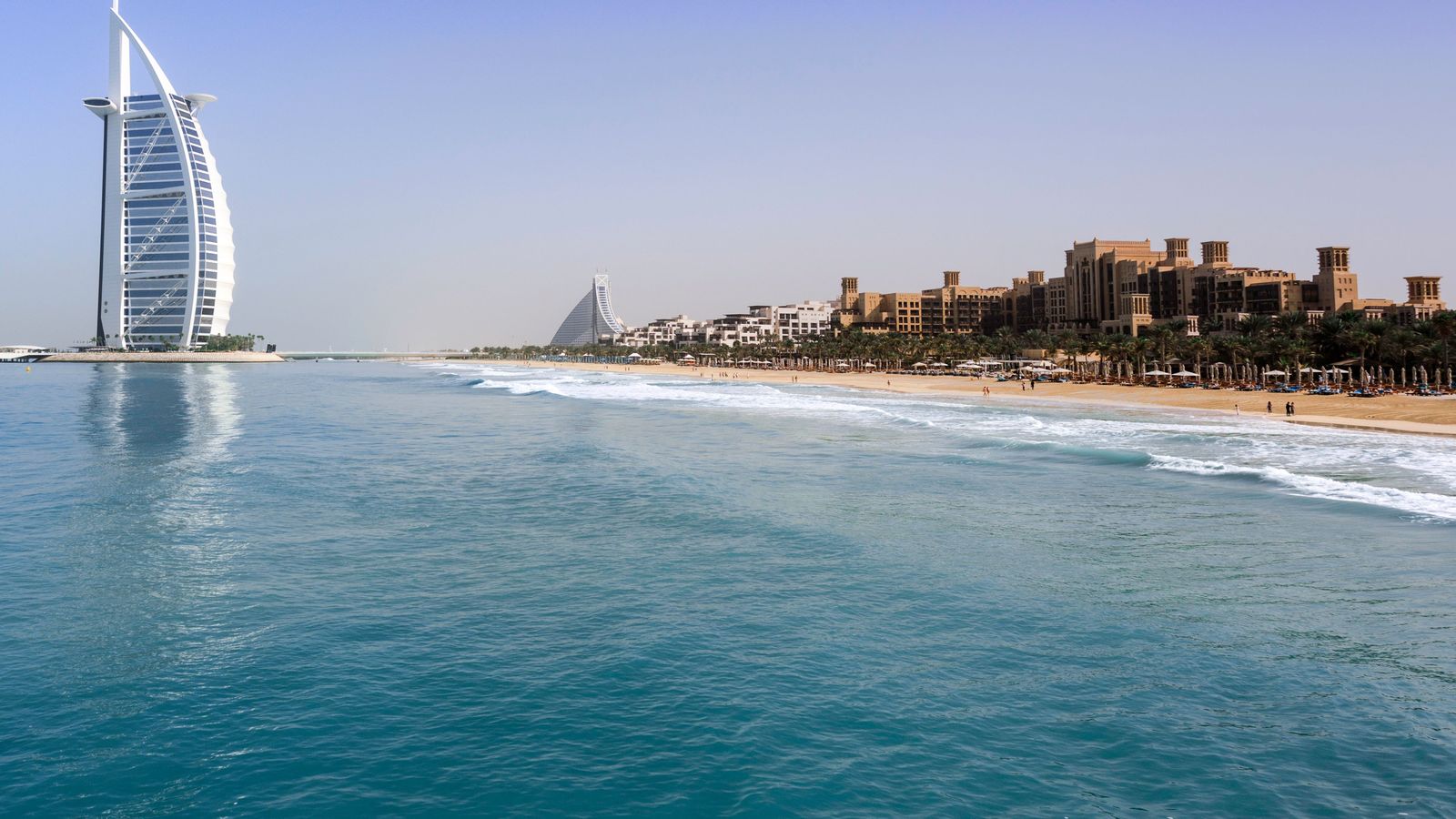
`dubai holding real estate` rose 50% in UAE search interest in August 2026 — one of the sharpest increases in the dataset, and part of a broader shift toward institutional and asset-class-level queries rather than brokerage-level ones.
What Dubai Holding is
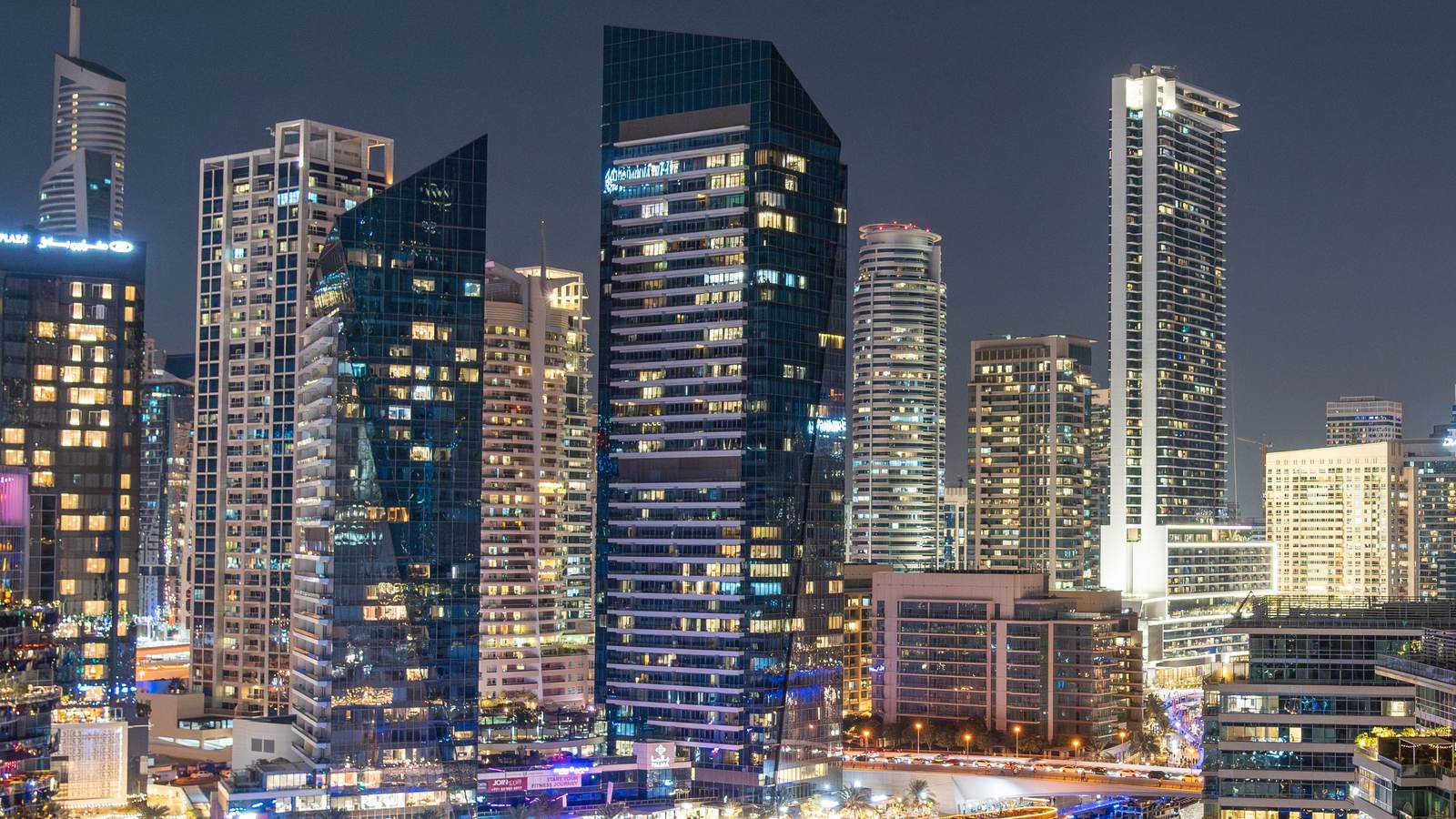
Dubai Holding is a diversified investment conglomerate owned by the Government of Dubai, with interests spanning real estate, hospitality, retail, media, telecommunications, technology and education.
Its real estate operations encompass development, ownership and management of a substantial portfolio of Dubai communities, commercial assets, retail destinations and hospitality properties.
Two development brands sit within the group and are the ones buyers encounter:
Dubai Properties — the mainstream residential developer. Communities include Business Bay, Jumeirah Beach Residence (JBR), Mudon, Villanova, Remraam, Serena, Dubailand areas and Culture Village.
Meraas — the lifestyle and destination developer. City Walk, Bluewaters Island (home to Ain Dubai), La Mer, Port de La Mer, Nikki Beach Residences, Design District (d3) and Jumeirah Bay Island.
The group also holds substantial land banks, commercial districts including Dubai Internet City, Dubai Media City and Dubai Knowledge Park, and hospitality assets.
Why the search interest surged
Three plausible drivers, all consistent with the wider 2026 data.
1. Institutional interest is rising. `commercial real estate dubai` rose 50%, `real estate investment trust` rose 20%, `investors real estate` rose 5% — while residential brokerage terms declined. Investors are moving up the stack from "which agent" to "which landlord, which developer, which asset class." Dubai Holding is a natural search target for anyone thinking at that level.
2. Active development pipeline. Continued launches across the group's communities keep it in front of buyers.
3. Confusion with Dubai Real Estate Corporation. Both are government-linked Dubai property entities with similar-sounding names. They are different organisations — DREC and Wasl are covered in Article 73 — and some of the search volume is people trying to work out which is which.
What government-linked development means for buyers
Advantages, and they are real:
Delivery certainty. Government-linked developers have materially better access to capital and land approvals, and a much lower probability of project abandonment. In an off-plan market where developer risk is the dominant variable, this matters more than almost anything else.
Master community control. When one entity controls the masterplan, infrastructure, retail provision and community management, the result is generally more coherent than a patchwork of sub-developers. Roads, schools, retail and parks arrive because a single party is responsible for them.
Infrastructure integration. Communities are planned alongside metro, road and utility provision rather than hoping for it.
Long-term stewardship. A government-linked owner retaining commercial and retail assets within a community has an ongoing interest in that community's quality — an interest a developer who sells and exits does not have.
Considerations:
Pricing power. Strong brands price accordingly. Expect to pay a premium against equivalent product from a less-established developer.
Scale means phasing. Large master communities deliver over many years. Buying in phase one means living beside construction for a long time — and living beside construction depresses achievable rent.
Service charges. Amenity-rich destination developments — Bluewaters, City Walk, La Mer — carry high service charges. Verify the specific figure via the RERA index before assuming a yield.
The communities, assessed
Business Bay (Dubai Properties). Central, high-density, extensive supply, strong yields (roughly 6.5–8% gross), and recorded among the leading apartment price growth in Q1 2026 at +1.90% quarterly. High liquidity. Also one of Dubai's most consistently supplied sub-markets, which caps pricing power.
JBR (Dubai Properties). Beachfront, established, strong short-let performance, high service charges, limited new supply. A mature asset rather than a growth story.
Dubai median price per square foot
Computed from every recorded DLD sale, 1 Jan 2026 to 31 Jul 2026.
Bluewaters Island (Meraas). Prime, limited supply, destination retail and hospitality, very high service charges. Scarcity-driven.
City Walk (Meraas). Urban, walkable, retail-integrated, premium pricing, strong owner-occupier appeal.
La Mer / Port de La Mer (Meraas). Beachfront, lifestyle-led, limited supply.
Mudon, Villanova, Serena, Remraam (Dubai Properties). Mid-market family communities, townhouses and villas, lower service charges (villa community charges typically AED 3–8/sq ft), longer tenancies and lower voids, but longer commutes.
Jumeirah Bay Island (Meraas). Ultra-prime, extremely limited supply, among Dubai's highest price points.
How to assess a Dubai Holding purchase
The developer-risk question is largely answered — this is about as low as delivery risk gets in Dubai. So focus on the asset-level questions instead:
1. Service charge for the specific building, via the RERA index. Destination developments can run AED 25–45/sq ft.
2. Phase and construction timeline. How much of the master community remains to be built, and over what period? Construction next door for five years is a real cost.
3. Forward supply within the community. Even a well-run master community can deliver more units than the local market absorbs in a given year.
4. Resale performance in delivered phases. DXB Interact will show you what earlier phases trade at today versus launch pricing. This is the check that matters.
5. Rental depth. Actual achieved rents in comparable units, not the projection.
The broader signal
The rise in `dubai holding real estate` searches alongside `commercial real estate dubai` (+50%) and `real estate investment trust` (+20%) points to the same thing: the UAE property audience is becoming more institutional in how it thinks.
Searchers are asking about landlords, developers, asset classes and market structure rather than about which agent to call. That is a mature-market pattern, and it is the strongest argument in this entire dataset for publishing analytical, structural content rather than listings-adjacent marketing.
Common questions
What is Dubai Holding Real Estate?
The property arm of Dubai Holding, a government-owned investment conglomerate, encompassing Dubai Properties and Meraas.
Is Dubai Properties part of Dubai Holding?
Yes, alongside Meraas.
Which communities does Dubai Holding develop?
Business Bay, JBR, Mudon, Villanova, Remraam, Serena (Dubai Properties); City Walk, Bluewaters, La Mer, Port de La Mer, Jumeirah Bay Island (Meraas).
Is Dubai Holding the same as Dubai Real Estate Corporation?
No. DREC is a separate government entity associated with Wasl, covered in Article 73.
Are government-linked developers safer?
Generally yes for delivery certainty and community management, which are the two largest off-plan risks. Expect to pay a brand premium.
Before you rely on this
Informational only. Verify current portfolio and project details with the developer and DLD.
More in Developers
The developer behind Burj Khalifa and Downtown — and why its launch pricing anchors whole districts for years.
ReadBranded residences, an early move into crypto payments, and what to check before buying off-plan from them.
ReadThe developer that manufactures beachfront. Palm Jumeirah, Palm Jebel Ali, and what waterfront scarcity does to price.
Read