
Branded Residences Dubai: Do They Justify the Premium? (2026)
How branded residences work in Dubai — the brand licence model, service charges, actual premiums, resale performance, and how to assess whether one is worth it.
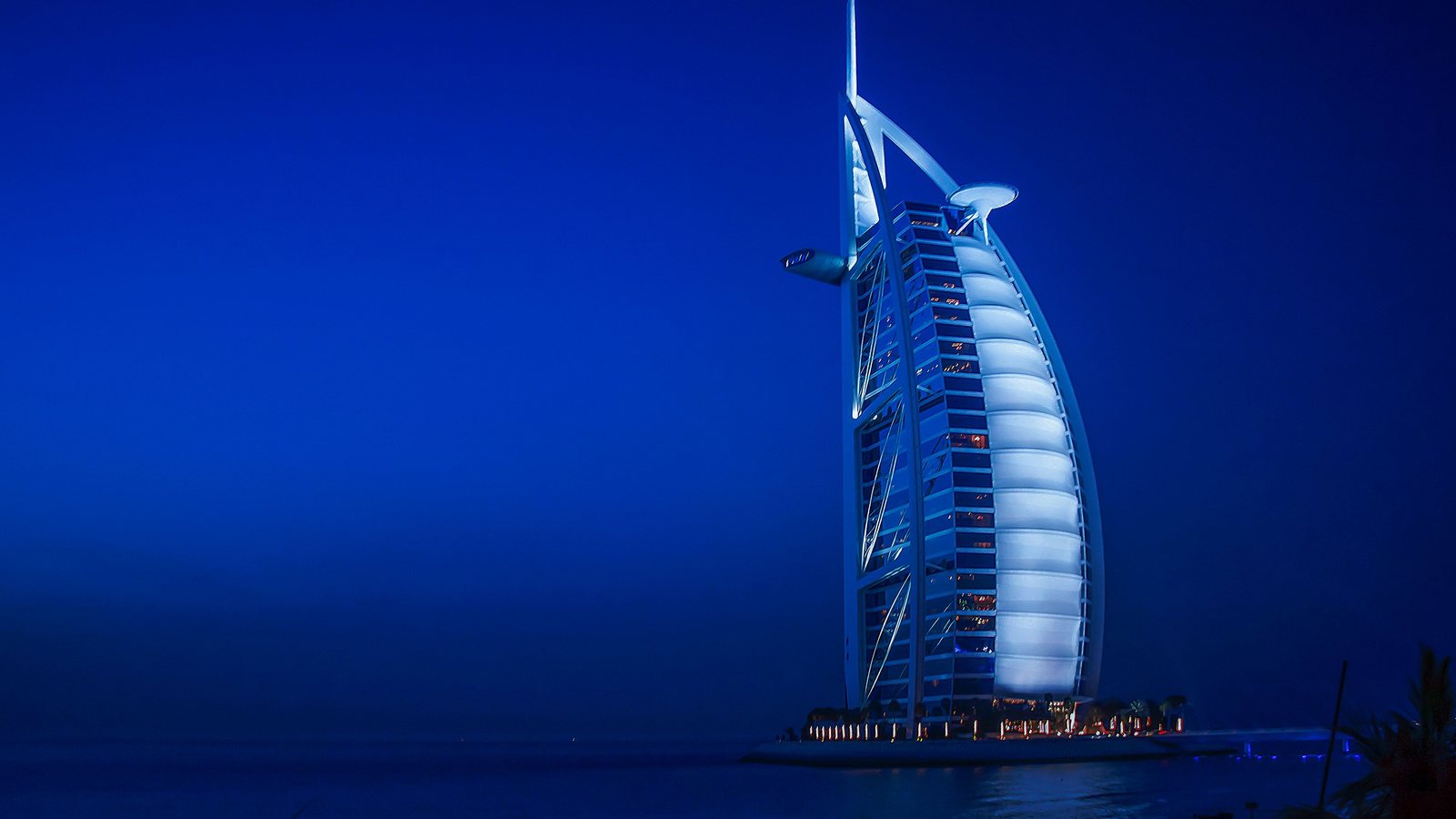
Dubai has become one of the world's largest branded residence markets. The product commands a substantial premium and the premium is frequently justified — but not always, and the difference is checkable.
What a branded residence actually is
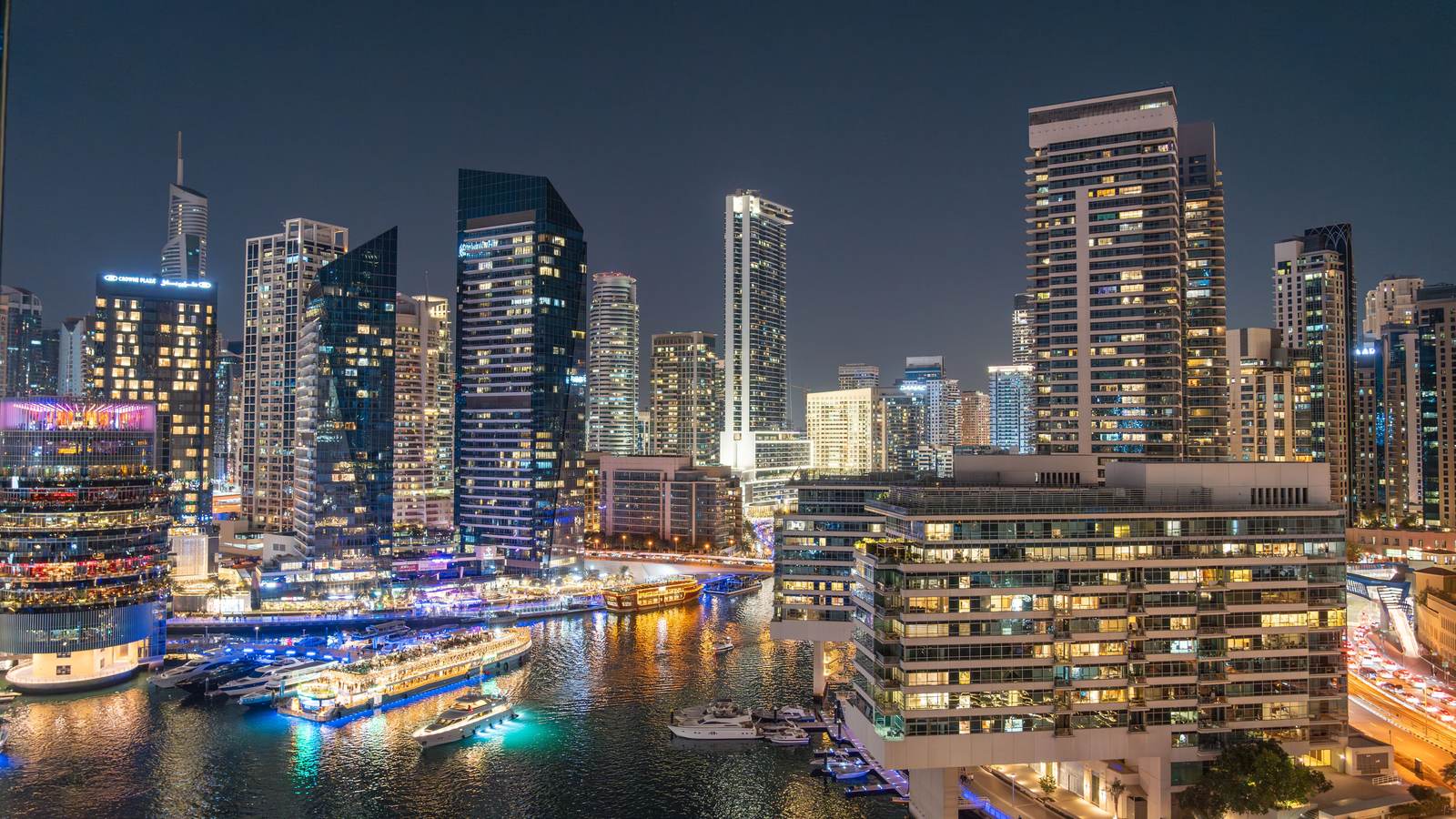
A residential development affiliated with a hotel, fashion, automotive or lifestyle brand, where the brand licenses its name and, usually, sets service and design standards.
Three models, and the distinction matters enormously:
1. Hotel-operated. A hotel operator (Four Seasons, Ritz-Carlton, Bulgari, Armani, Mandarin Oriental, W, Address, Vida) manages the residences alongside or adjacent to a hotel. Residents access hotel services — concierge, housekeeping, room service, spa, valet.
This is the strongest model. The operator has an ongoing operational role and reputational exposure, and the services are real and continuous.
2. Design/brand licence with service standards. A brand (fashion houses, automotive marques) licenses its name and design input, with a management company delivering agreed service standards.
Middle tier. Real design differentiation, service quality depends on the management company.
3. Design/brand licence only. The brand's name and design language, with no operational involvement.
Weakest model. You are paying for a name and an aesthetic. Verify which model you are buying — marketing materials frequently blur the distinction.
The premium
Branded residences in Dubai typically command a substantial premium per square foot over comparable unbranded stock in the same location — commonly reported in the range of 25–60%+ depending on the brand, location and model.
What that premium is supposed to buy:
- Superior design and specification
- Hotel-standard services and amenities
- Rental premium from the brand affiliation
- Better resale liquidity within an international buyer pool
- Professional management maintaining standards over time
The service charges
This is where branded residences differ most from mainstream stock, and where the arithmetic frequently breaks.
Branded residence service charges commonly run AED 40–70+/sq ft per year, against AED 10–15 in mid-market communities and AED 17–25 in Marina and Downtown.
On a 2,000 sq ft branded apartment at AED 55/sq ft: AED 110,000 per year, every year, whether occupied or not.
That funds the concierge, the housekeeping infrastructure, the amenity operation and the brand's service standards — genuinely delivered services, not a fiction.
But it has three consequences that buyers underestimate:
Yield compression. On an apartment yielding AED 400,000 gross, a AED 110,000 service charge consumes 27.5% of gross income before any other cost.
Void cost. The charge continues when the unit is empty. A vacant branded residence is genuinely expensive to own.
Resale friction. A well-informed resale buyer prices the service charge into what they will pay. High ongoing costs reduce capital value under any income-based valuation (Article 76).
Does the premium hold on resale?
The question that matters, and it is checkable.
Method: on DXB Interact, find a branded residence completed three to five years ago. Pull current transaction prices. Compare against a comparable unbranded building in the same location, and against the branded building's original launch pricing.
Three possible outcomes:
The premium held or grew. The brand affiliation carries real value in the secondary market. Common with strong hotel-operated brands in prime locations.
The premium compressed. The unit trades above unbranded comparables but by less than the original premium. The most common outcome.
The premium disappeared. The unit trades in line with unbranded stock, meaning the entire premium was consumed at purchase. This happens, particularly with brand-licence-only models and with brands that lack prestige in the Dubai buyer pool.
Run this check for the specific brand and operator you are considering, in Dubai, before buying. Global brand prestige does not automatically transfer to a specific Dubai buyer pool.
The rental case
Branded residences can achieve rental premiums, particularly in short-term letting, where the brand is a genuine booking driver and the service infrastructure supports high-end guests.
In long-term letting, the premium is smaller. Tenants pay for space, location and quality; the brand matters less than to buyers, and the tenant is not paying your service charge.
Dubai's residential price trend
This site's dataset is Dubai residential transactions; it does not track commercial property separately.
The realistic assessment: branded residences frequently work better as short-let assets than long-let ones, because the service infrastructure that drives the service charge is exactly what commands a nightly rate premium. That converts a cost into a revenue driver — but it also converts the investment into a hospitality operation (Article 24).
The Dubai branded landscape
Dubai hosts one of the largest concentrations of branded residences globally — hotel brands (Four Seasons, Bulgari, Armani, Ritz-Carlton, Mandarin Oriental, Address, Vida, W, SLS), fashion and design houses (Versace, Cavalli, Fendi, Missoni, Elie Saab), automotive marques (Bugatti, Aston Martin, Mercedes-Benz), and developer-owned brands.
Damac in particular has built extensively on brand partnerships; Omniyat operates at the ultra-prime end; Emaar operates its own Address and Vida brands.
The volume itself is a consideration. A market with a very large number of branded developments is a market where "branded" is decreasingly a differentiator. Scarcity is what sustains premiums, and Dubai's branded supply is not scarce.
The assessment framework
1. Which model? Hotel-operated, brand licence with service standards, or brand licence only? This is the most important question.
2. What is the service charge, precisely? In AED/sq ft, from the RERA index, for that specific building.
3. What services are actually delivered for it? Get the specification in writing. "Concierge" can mean a 24-hour team or a desk staffed at intervals.
4. Does the premium hold on resale? Check comparable completed branded projects on DXB Interact.
5. What is the brand licence term? Brand affiliations have terms. If the licence expires and is not renewed, your branded residence becomes an expensive unbranded one. Ask about the term and renewal provisions — very few buyers do.
6. Who operates it, and what is their track record in Dubai?
7. What is the realistic net yield after the service charge?
8. Is short-letting permitted? Some branded residences restrict it; others have integrated rental programmes with defined terms. If a rental programme exists, read the operator agreement, the fee structure and the definition of distributable income before relying on projected returns.
Who it suits
Owner-occupiers who will use the services. If you will genuinely use the concierge, housekeeping, spa and restaurant access, the service charge buys something you value. This is a legitimate consumption decision.
Short-let investors in prime locations where the brand drives nightly rates and occupancy.
International buyers who value the brand assurance and the recognisability on eventual resale.
It suits long-term-let yield investors least. The service charge structure is fundamentally hostile to a long-let yield strategy, because you carry a very high fixed cost against a rent that does not fully reflect it.
Common questions
What is a branded residence?
A residential development affiliated with a hotel, fashion or lifestyle brand, ranging from full hotel operation to a design-only licence.
How much premium do branded residences command in Dubai?
Commonly 25–60%+ over comparable unbranded stock, varying by brand, location and model.
What are branded residence service charges in Dubai?
Frequently AED 40–70+/sq ft per year, against AED 10–25 for mainstream stock.
Do branded residences hold their premium on resale?
Sometimes. Check the specific brand's completed Dubai projects on DXB Interact against comparable unbranded buildings.
What happens if the brand licence expires?
The affiliation can end. Ask about the licence term and renewal provisions before buying.
Before you rely on this
Informational only. Not investment advice.
More in Commercial Property
Dubai commercial property in 2026 — the fastest-rising search segment. Office, retail and industrial yields, lease structures, VAT, free zone rules and how to invest.
ReadDubai's prime and super-prime market in 2026 — where growth actually was, price per square foot by location, supply constraint, and how prime differs from mainstream.
ReadWhy Dubai's Grade A office market tightened through 2026 — company formation, limited delivery, free zone dynamics, lease structures and what it means for investors.
Read