
Dubai's 2026 Project Selection: Why These Developments Stand Out
Independent 2026 comparison of Dubai's strongest real estate projects, investment themes, market risks and the metrics buyers should use.
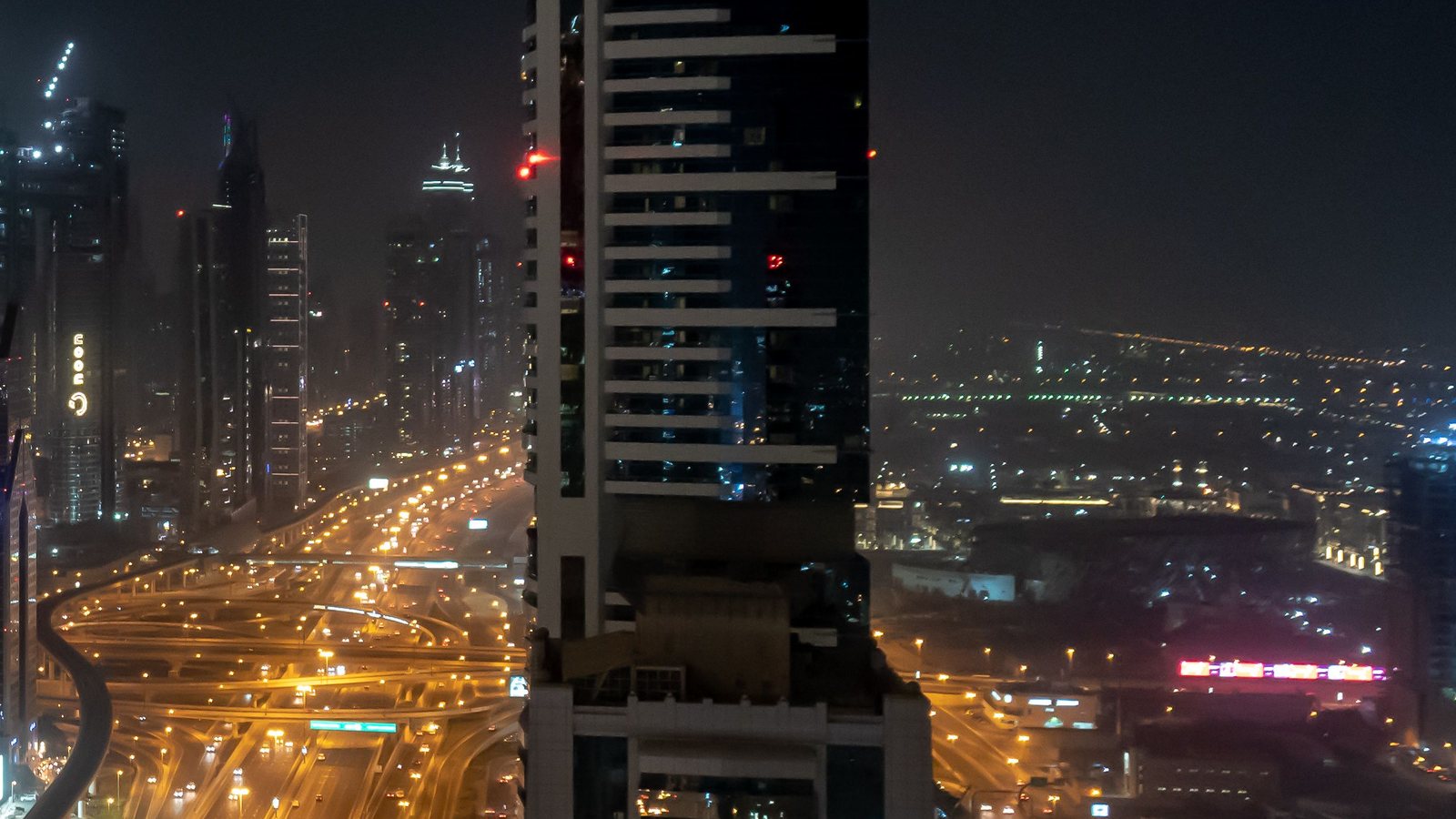
An editorial comparison of the strongest projects in this research, from waterfront megaprojects to prime urban residences and growth-corridor communities.
Overview
Dubai's real-estate market remains large and liquid, but 2026 is a more selective phase. DLD reported ~AED 252 billion of transactions in Q1 2026, while CBRE's Q2 review noted that residential activity moderated as new supply increased.
That makes the distinction between 'best project' and 'best investment' particularly important. A prestigious project can still be a poor purchase if the entry price is excessive or if comparable supply is arriving nearby.
The projects in this report were selected because they represent different investment theses: Creek Harbour for infrastructure-led waterfront growth, Palm Jebel Ali for long-term coastal scarcity, Sobha Sanctuary for villas, Emaar South for southern expansion, and Meraas prime districts for established lifestyle demand.
Location and Connectivity
Dubai's strongest real-estate opportunities increasingly cluster around a small number of structural themes: waterfront scarcity, established masterplans, future transport, airport expansion, creative/business districts and branded luxury.
What Makes the Project Stand Out
- Waterfront scarcity: Palm Jebel Ali, Solaya, Creek Harbour and Rashid Yachts & Marina.
- Established masterplans: Dubai Hills and City Walk.
- Southern growth corridor: Emaar South.
- Villa-led demand: Sobha Sanctuary.
- Prime central luxury: Emirates Towers and Madinat Jumeirah Living.
- Branded masterplan: Mercedes-Benz Places | Binghatti City.
Investment Case
Dubai median price per square foot
Citywide Dubai market context, not this project's own pricing — the figures quoted in this article are the developer's current listings, not DLD-recorded resales.
The market data argues for selectivity. Engel & Völkers reported that off-plan sales represented 71.3% of residential sales in H1 2026, while buyers became more selective around developer reputation, location, quality, pricing and long-term investment potential.
CBRE's Q2 2026 review likewise described moderation in residential demand as new supply eased pricing pressure. The correct response is not necessarily to avoid off-plan property, but to become much more disciplined about supply, price and exit liquidity.
For a website or investment platform, the most useful comparison is therefore a project scorecard based on AED/sqft, transaction history, construction progress, payment plan, supply pipeline, rental evidence, developer delivery and infrastructure catalysts.
Risks and What Buyers Should Check
- Avoid publishing fixed prices without a date; Dubai developers update inventory frequently.
- Separate developer claims from independent market evidence.
- Do not publish projected ROI as fact without a calculation methodology.
- Always show the date of research and distinguish launch pricing from current availability.
Who Is This Project Best For?
Readers researching Dubai property before choosing a project, especially investors comparing off-plan launches.
Independent editorial view
The strongest 2026 opportunity is not one project—it is disciplined selection. The projects above offer different risk/return profiles, and the right choice depends on budget, horizon, liquidity needs and tolerance for construction risk.
Common questions
What is the best Dubai project in 2026?
There is no universal answer. Creek Harbour is one of the strongest all-round theses, Palm Jebel Ali offers long-term waterfront scarcity, and established communities such as Dubai Hills offer lower development risk.
Is Dubai property still rising?
The market remains strong, but 2026 data shows moderation and greater selectivity. Prices should not be assumed to rise uniformly.
Is off-plan still attractive?
Yes, but buyers should focus on developer quality, price, payment structure, supply and exit liquidity rather than simply buying the newest launch.
What should a property comparison platform measure?
At minimum: AED/sqft, DLD transactions, rental evidence, supply pipeline, construction progress, payment plan, developer history, infrastructure and unit-level view/scarcity.
Sources
- 1Dubai Land Department — Q1 2026 transactions. dubailand.gov.ae/en/news-media/dubai-s-real-estate-t…
- 2Dubai Land Department — Q1 2026 rentals. dubailand.gov.ae/en/news-media/dubai-s-rental-market…
- 3CBRE — UAE Q2 2026 review. www.cbre.ae/insights/figures/uae-real-estate-market-…
- 4Engel & Völkers — H1 2026 report. www.engelvoelkers.com/ae/en/research/residential-mar…
More in Off-Plan Reviews
Emaar's Rashid Yachts & Marina launch from ~AED 2.21M. Pricing, yields, risks and who it suits.
ReadDubai's cheapest Tier-1 entry at ~AED 1.1M. The Al Maktoum airport thesis, yields and real risks.
ReadThree Emaar South launches head-to-head: pricing step-ups, handover gaps and which is the better entry.
Read