
Dubai Maritime City: Beach access rights before buying
Explore beach access for Dubai Maritime City, with practical checks, cost considerations and evidence to review before a property decision.
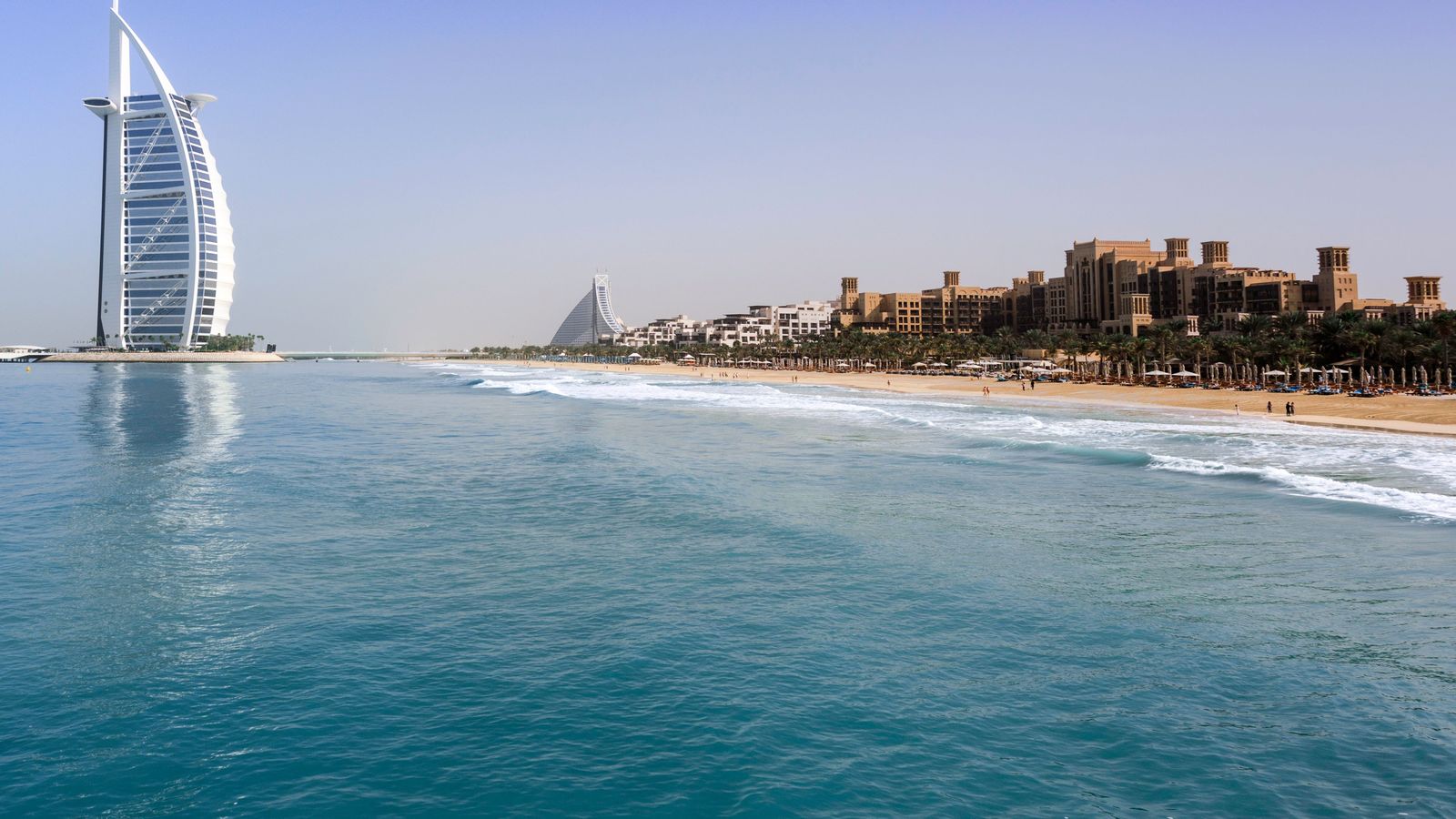
Establish the route, hours and legal or contractual basis of access rather than assuming proximity establishes a private amenity. For Dubai Maritime City, the decision starts with a precise question: how does the actual building setting compare with the district story? A coastal address should be assessed for its immediate setting, the progress of nearby development and the difference between marketing district names and official registration areas. Unit quality and surrounding activity need separate investigation.
How to use this guide
Prepared 2026-10-09. Examples are hypothetical, not live price or return quotations. The sources below are routes for verification; they do not certify an individual property's title, condition, permissions or project status. Check current requirements for your specific case.
Separate the parties and their responsibilities
Write down who owns the asset, who sells it, who operates services and who approves changes. Those roles may be held by different organisations. A well-known name on a brochure is not enough to determine which party must deliver a feature or resolve a complaint. Review the documents that connect the roles, and ask what happens when a provider changes or an agreement expires.
Applying the checks to Dubai Maritime City
For readers comparing emerging coastal towers, start with documentation covering adjacent land use and access route. Review construction progress to check whether the initial explanation holds for the actual property or arrangement. Record the date, source and scope of each item; a district description or general service page cannot confirm the condition or terms of a particular unit. The relevant cost review should include transport and coastal repairs, with the remaining expenses kept visible in the full budget.
Record neighbouring uses and construction on a site visit, and match the tower to the official project record. This check matters for the assessment because the result can change the benefit the buyer or occupant actually receives. Ask the counterparty to explain how the evidence relates to the exact unit, ownership interest or intended action. Keep the original documents and the explanation together, so another reviewer can follow the reasoning without relying on a sales conversation.
A worked example
In an illustrative three-party arrangement, the seller promises a specification, a manager operates common facilities and a separate supplier maintains equipment. A problem should be traced to the relevant obligation rather than sent indefinitely between organisations. The purchase file should identify the responsible party and the documentary basis for the expected response.
Avoid the misleading shortcut
A common analytical error is accepting a project nickname as its verified location and use. That shortcut removes an important distinction from the decision. Instead, write a short comparison showing the intended use, the relevant documents, expected costs and unresolved questions. If the evidence does not resolve the central question, the conclusion remains provisional. A missing answer is a reason to investigate the particular issue, not to invent a price, permission or future return.
A practical next step
A useful assessment of Dubai Maritime City connects beach access rights before buying with evidence that can be checked. Prioritise evidence about adjacent land use, establish the implications of transport, and resolve material uncertainty before committing. The best next step is a specific document request, inspection or professional question that narrows the uncertainty in this case.
Common questions
What should I check first for Dubai Maritime City?
Begin with evidence about adjacent land use, then check it against the information about access route. Confirm that both concern the same property or arrangement and the relevant date.
Which cost is easy to overlook in this assessment?
Include transport and clarify payment responsibility for coastal repairs. Use actual documents or quotations; the examples in this draft are hypothetical.
How does the actual building setting compare with the district story?
The answer depends on the specific evidence. Record neighbouring uses and construction on a site visit, and match the tower to the official project record. Establish the route, hours and legal or contractual basis of access rather than assuming proximity establishes a private amenity.
Sources
- 1DLD real estate data — Reference and verification route. dubailand.gov.ae/en/open-data/real-estate-data…
- 2DLD real estate brokerage practice guide — Reference and verification route. dubailand.gov.ae/media/mvhendau/rebpguide_eng-1.pdf…
Related reading
Explore coastal maintenance for Dubai Maritime City, with practical checks, cost considerations and evidence to review before a property decision.
ReadExplore rental demand for Dubai Maritime City, with practical checks, cost considerations and evidence to review before a property decision.
ReadExplore beach access for Rashid Yachts and Marina, with practical checks, cost considerations and evidence to review before a property decision.
ReadExplore official records for Dubai REST property checks, with practical checks, cost considerations and evidence to review before a property decision.
Read