
International City: Future transport without overstating today's access
Explore transport access for International City, with practical checks, cost considerations and evidence to review before a property decision.
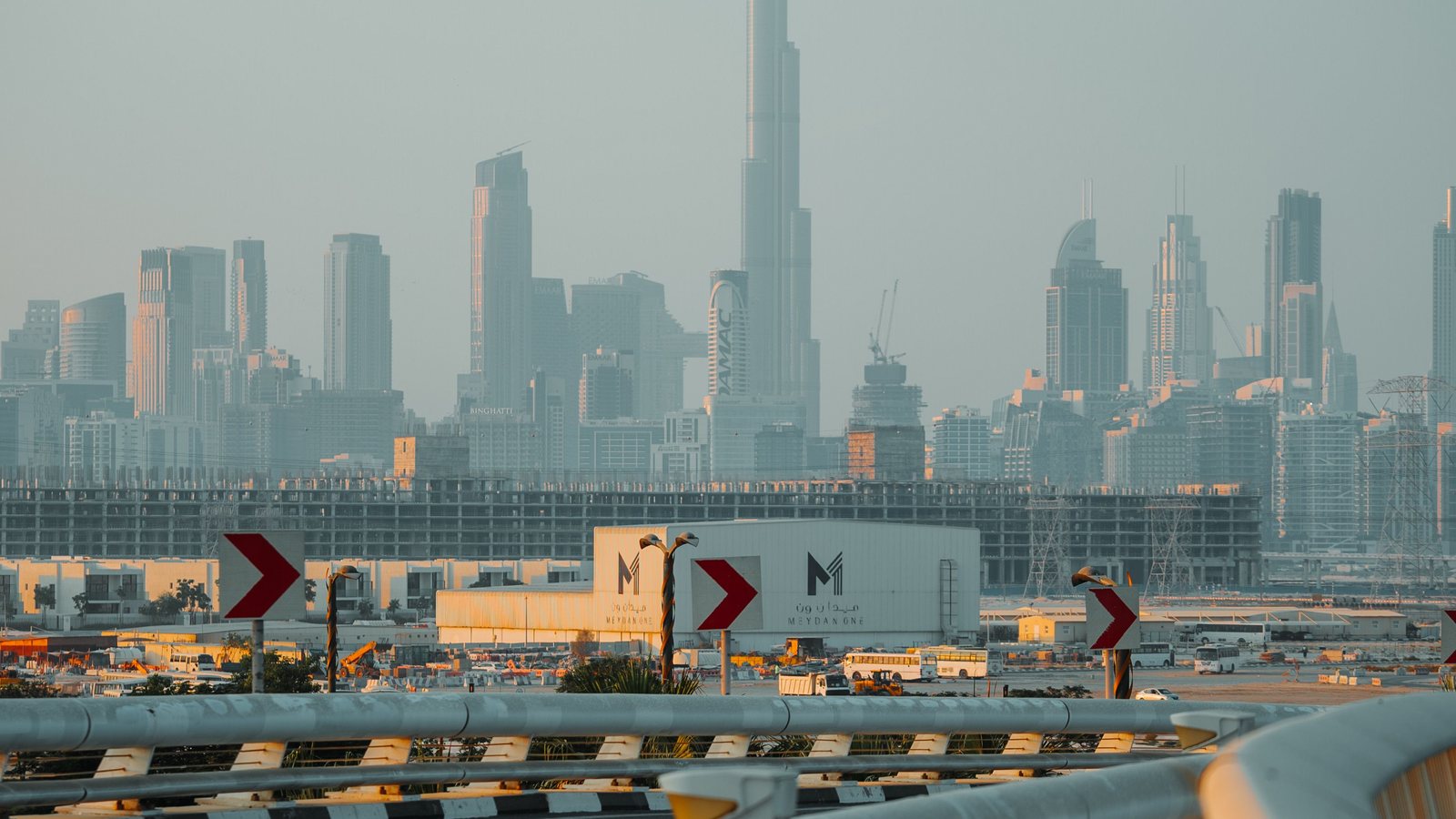
Keep present commuting options separate from announced services and verify the official route before pricing future connectivity. For International City, the decision starts with a precise question: is the apparent saving preserved after repairs and recurring costs? An affordability comparison should include the full cost of living or letting, the property's condition and the quality of immediate access. Future transport context is relevant, but district-wide averages can conceal significant building differences.
How to use this guide
Prepared 2026-10-09. Examples are hypothetical, not live price or return quotations. The sources below are routes for verification; they do not certify an individual property's title, condition, permissions or project status. Check current requirements for your specific case.
Clarify which uses and actions are permitted
Ownership, access to a facility and permission to conduct a particular activity are separate questions. Establish the applicable rules for the intended action, including approvals, building conditions and service contracts. Ask whether any permission is personal, unit-specific, time-limited or dependent on another agreement. A general description should not be extended beyond the scope it actually covers.
Applying the checks to International City
For budget-conscious residents and landlords, start with documentation covering station-route plan and title and unit identity. Review condition report to check whether the initial explanation holds for the actual property or arrangement. Record the date, source and scope of each item; a district description or general service page cannot confirm the condition or terms of a particular unit. The relevant cost review should include tenant turnover and repairs, with the remaining expenses kept visible in the full budget.
Inspect common areas and the actual pedestrian route; compare units with similar condition and occupancy status. This check matters for the assessment because the result can change the benefit the buyer or occupant actually receives. Ask the counterparty to explain how the evidence relates to the exact unit, ownership interest or intended action. Keep the original documents and the explanation together, so another reviewer can follow the reasoning without relying on a sales conversation.
A worked example
An illustrative review might find that ordinary residential use is documented while another proposed activity still needs a separate confirmation. Record that as an open item rather than treating the first document as blanket approval. Resolve the question before advertising, booking, operating or committing funds in reliance on the proposed activity.
Avoid the misleading shortcut
A common analytical error is assuming a low asking price means a low total ownership cost. That shortcut removes an important distinction from the decision. Instead, write a short comparison showing the intended use, the relevant documents, expected costs and unresolved questions. If the evidence does not resolve the central question, the conclusion remains provisional. A missing answer is a reason to investigate the particular issue, not to invent a price, permission or future return.
A practical next step
A useful assessment of International City connects future transport without overstating today's access with evidence that can be checked. Prioritise evidence about station-route plan, establish the implications of tenant turnover, and resolve material uncertainty before committing. The best next step is a specific document request, inspection or professional question that narrows the uncertainty in this case.
Common questions
What should I check first for International City?
Begin with evidence about station-route plan, then check it against the information about title and unit identity. Confirm that both concern the same property or arrangement and the relevant date.
Which cost is easy to overlook in this assessment?
Include tenant turnover and clarify payment responsibility for repairs. Use actual documents or quotations; the examples in this draft are hypothetical.
Is the apparent saving preserved after repairs and recurring costs?
The answer depends on the specific evidence. Inspect common areas and the actual pedestrian route; compare units with similar condition and occupancy status. Keep present commuting options separate from announced services and verify the official route before pricing future connectivity.
Sources
- 1RTA Metro Blue Line announcement — Reference and verification route. rta.ae/wps/portal/rta/ae/home/news-and-media/all-new…
- 2DLD real estate data — Reference and verification route. dubailand.gov.ae/en/open-data/real-estate-data…
Related reading
Explore community rules for International City, with practical checks, cost considerations and evidence to review before a property decision.
ReadExplore rental supply for International City, with practical checks, cost considerations and evidence to review before a property decision.
ReadExplore transport access for Arjan, with practical checks, cost considerations and evidence to review before a property decision.
ReadExplore building comparables for Dubai REST property checks, with practical checks, cost considerations and evidence to review before a property decision.
Read