
UAE Real Estate 2026: Market Overview Across All Seven Emirates
UAE real estate in 2026 — how Dubai, Abu Dhabi, Sharjah and the northern emirates differ on price, yield, ownership law and growth. A federal-level view.
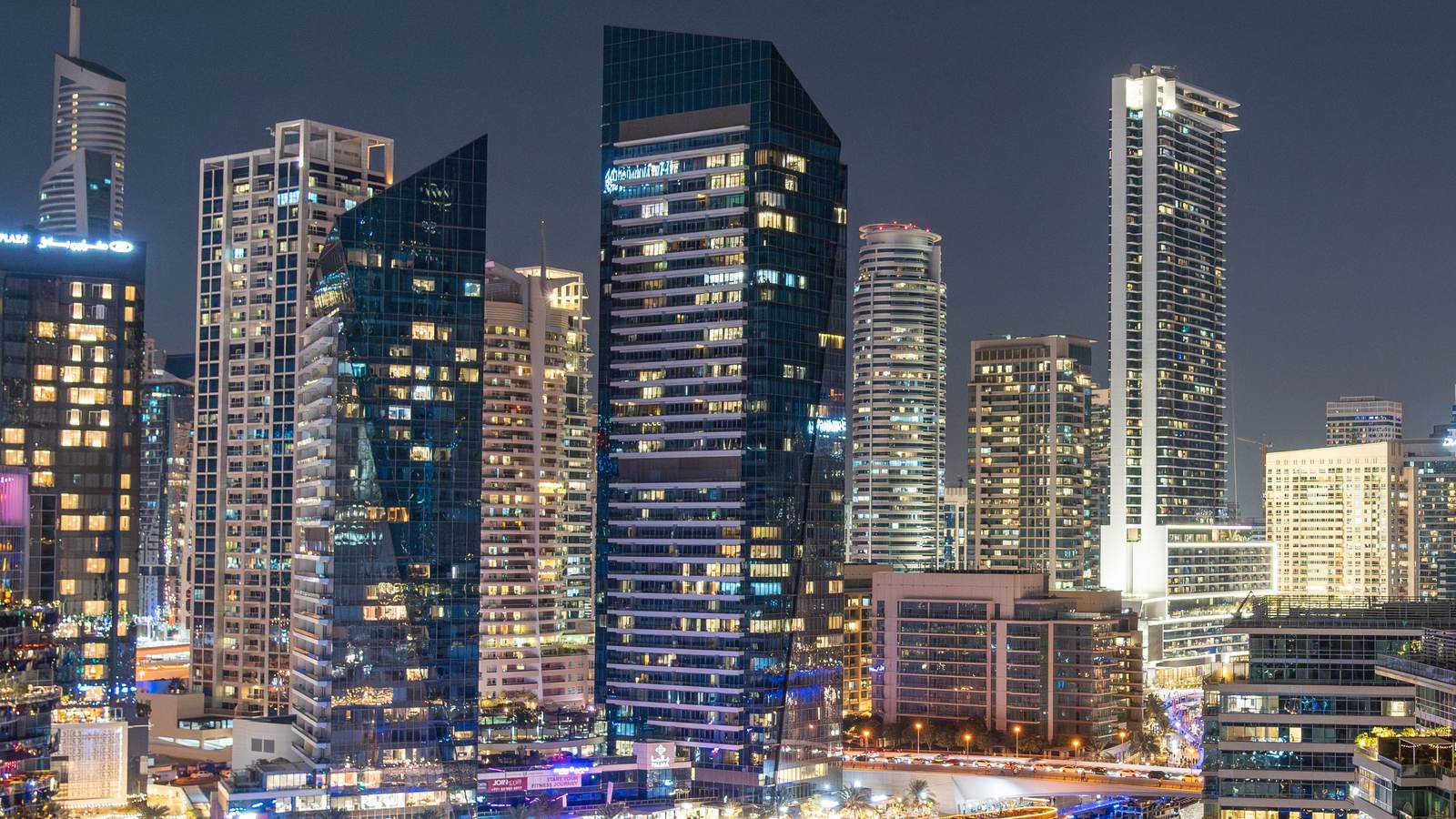
"UAE real estate" is a convenient phrase for something that is not a single market. Seven emirates operate seven different property regimes, with separate regulators, separate ownership rules for foreigners, separate registration systems and wildly different price levels. Treating them as one is the most common analytical mistake overseas investors make.
The federal frame
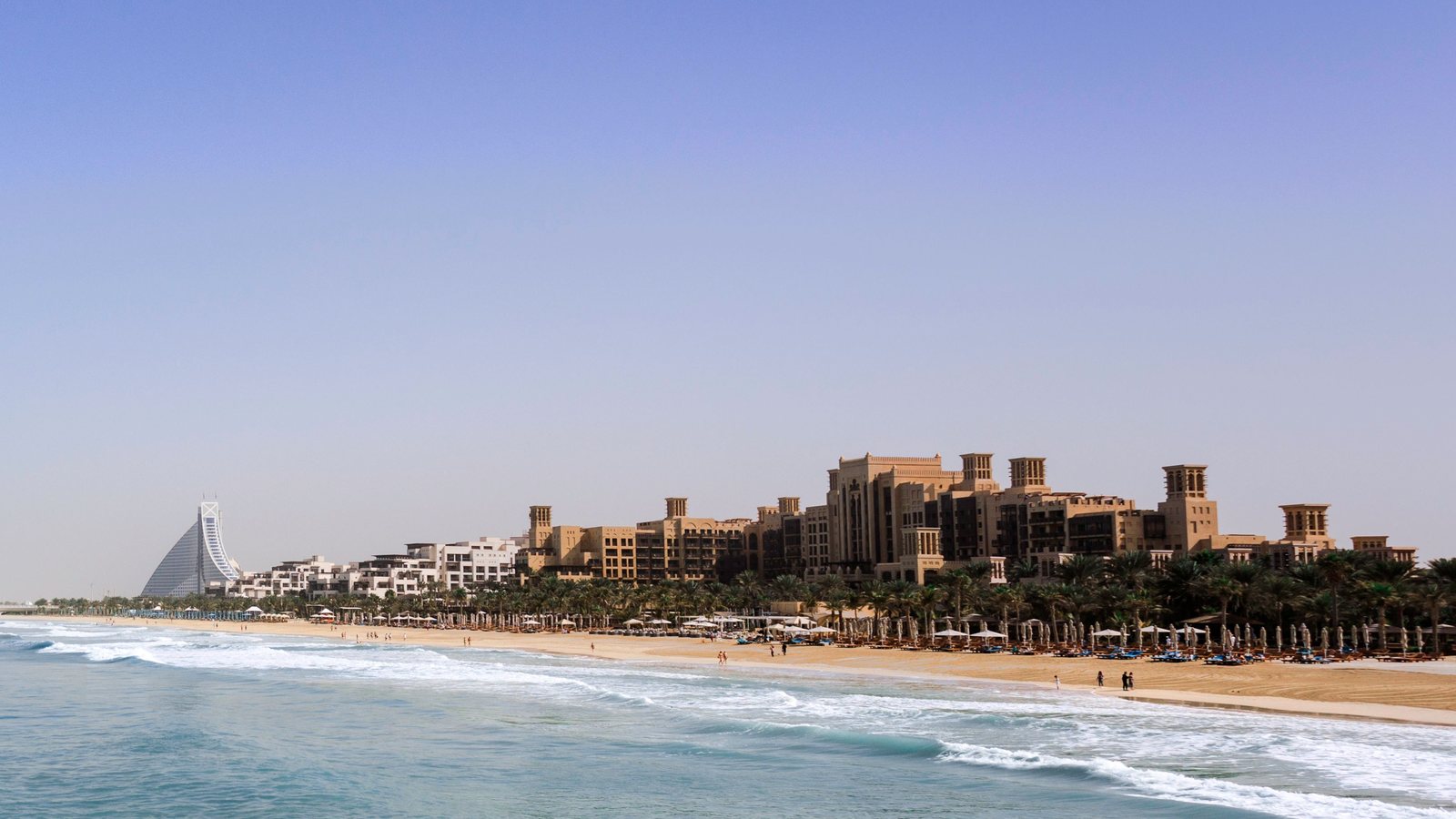
At federal level, three things are common across all seven emirates: there is no personal income tax and no annual property tax; a 9% federal corporate tax applies from 2023 to qualifying business profits, including some property income held in corporate structures; and residency-by-investment thresholds — notably the AED 2m Golden Visa route — are federal, so a qualifying purchase in Ajman counts the same as one in Downtown Dubai.
Almost everything else is emirate-level. Foreign freehold rights, registration fees, rent-increase caps, escrow rules and off-plan protections all differ by emirate.
The three tiers of the UAE market
Tier one: Dubai. Roughly 45,000–48,000 residential transactions in Q1 2026 alone, about AED 177bn in quarterly value, average citywide pricing near AED 1,759/sq ft, gross residential yields around 6.3–6.6%. The deepest, most liquid, most internationally traded market in the region, and the one with the most transparent data.
Tier two: Abu Dhabi. Smaller but, in 2026, faster-growing. Roughly 7,200 residential transactions in Q1, up around 100% year on year, with REIDIN recording annual price growth near 27.8% in April 2026 — apartments up over 31%, villas up around 7.8%. Off-plan represented roughly 81% of activity. Weighted-average ready pricing sat near AED 1,507/sq ft and off-plan near AED 2,191/sq ft. Yields around 6.1% overall. Abu Dhabi's market is more institutional, more concentrated in a handful of investment zones — Yas Island, Saadiyat, Al Reem, Al Maryah, Al Raha — and historically less volatile.
Tier three: Sharjah, Ajman, Ras Al Khaimah, Umm Al Quwain, Fujairah. Lower absolute prices, a more domestic and end-user tenant base, and thinner data. Sharjah opened property ownership to non-Arab expatriates on a 100-year usufruct basis in 2014 — which functions much like freehold but is not identical. Ras Al Khaimah is the interesting outlier: the Wynn Al Marjan Island integrated resort, due to open in 2027, has driven a sustained repricing of Al Marjan and Al Hamra since 2023. Global Property Guide put RAK yields near 2.7% in May 2026 — a reminder that capital-growth stories and income stories are not the same trade.
Where UAE prices and yields sat in mid-2026
| Market | Avg. ready price | Annual price growth | Gross yield |
|---|---|---|---|
| Dubai | ~AED 1,691–1,759/sq ft | ~+6.1% (Apr 2026) | ~6.3–6.6% |
| Abu Dhabi | ~AED 1,507/sq ft | ~+27.8% (Apr 2026) | ~6.1% |
| Sharjah | Materially lower | Moderate | Typically 6–8% |
| Ras Al Khaimah | Repricing upward | Strong on resort stock | ~2.7% |
| UAE average (GPG, May 2026) | — | — | ~4.94% |
The divergence between Dubai's cooling growth and Abu Dhabi's acceleration is the defining UAE story of 2026. Abu Dhabi is doing in 2025–26 roughly what Dubai did in 2021–23: a supply-constrained, government-led, investment-zone-driven repricing off a low base.
Ownership rules by emirate
Dubai: freehold for all nationalities in designated areas; leasehold elsewhere; regulated by DLD/RERA.
Abu Dhabi: freehold for all nationalities in designated investment zones since Law No. 13 of 2019; previously foreigners could only hold 99-year musataha or usufruct. Regulated by the Department of Municipalities and Transport (DMT) and the Abu Dhabi Real Estate Centre (ADREC).
Sharjah: no conventional freehold for non-GCC nationals; 100-year renewable usufruct in approved developments such as Aljada, Maryam Island and Tilal City. Sharjah also enforces its own tenancy and rent-cap regime.
Ajman, RAK, UAQ, Fujairah: freehold available to foreigners in specified projects, with rules that vary project by project. Due diligence at the individual development level is essential.
Dubai median price per square foot
Computed from every recorded DLD sale, 1 Jan 2026 to 31 Jul 2026.
What drives UAE demand
Population and net migration are the base. The UAE's population has grown steadily, with Dubai approaching four million residents and Abu Dhabi's growing alongside it. Visa liberalisation — Golden Visas, green visas, remote-work permits, the removal of sponsor requirements for many categories — converted transient expatriates into longer-horizon residents, which structurally lifted both purchase demand and tenure length.
Capital inflows do the rest. The UAE has been a consistent net recipient of relocating wealth, and property is the default parking place. Tourism and events demand supports short-term rental yields. Government-led development — Abu Dhabi's cultural district, Dubai's D33 economic agenda, RAK's gaming-anchored resort investment — creates supply-side catalysts on a schedule investors can actually plan around.
The federal risks
Correlated supply. Every emirate is building. Dubai and Abu Dhabi pipelines both run heavy through 2028.
Correlated demand. A single external shock — an oil price collapse, a regional security event, a change in the flow of relocating capital — hits all seven emirates at once. UAE real estate diversification across emirates is less diversifying than it looks.
Data asymmetry. Dubai publishes granular transaction data. Abu Dhabi publishes less. The northern emirates publish very little. Ranking markets on returns when three of them have no reliable price index is not analysis.
Practical takeaways
If you want liquidity, transparency and exit optionality, Dubai remains the default. If you want lower volatility, a more institutional tenant base and a market earlier in its cycle, Abu Dhabi has the stronger 2026 momentum. If you want yield on a small ticket, Sharjah and Ajman deliver it, at the cost of thin data and a narrower buyer pool on exit. If you are buying the RAK resort story, be clear that you are buying a capital-growth bet on a 2027 catalyst, not an income asset.
Whichever you choose, verify the ownership form — freehold, usufruct or musataha — in writing before you commit. It is the single legal detail with the largest effect on what you actually own.
Common questions
Is UAE real estate one market?
No. Seven emirates, seven regulators, different foreign ownership rules and very different pricing.
Which emirate has the best yields?
Sharjah and Ajman typically show the highest gross yields; Dubai apartments around 7% offer the best combination of yield and liquidity.
Does a Golden Visa work in any emirate?
Yes — the AED 2m property threshold is federal and applies to qualifying property anywhere in the UAE.
Can foreigners own freehold outside Dubai?
In Abu Dhabi's investment zones, yes. In Sharjah, only via 100-year usufruct. In the other emirates, only in designated projects.
Before you rely on this
Informational only. Figures dated to Q1–Q2 2026. Verify with DLD, DMT/ADREC or the relevant emirate registry before transacting.
More in Market Overview
An independent, data-led guide to real estate in Dubai UAE — 2026 prices, yields, ownership rules, the full cost of buying, and how the market actually works.
ReadHow the Dubai real estate market works — the four cycles since 2002, what drives prices, and an evidence-based read on where the market stood in 2026.
ReadThe supply side of the real estate market in Dubai — handover pipeline to 2028, absorption rates, which communities face oversupply, and how to read the data.
Read