
Dubai International Real Estate: Cross-Border Buying Explained
Who buys Dubai property from abroad, why the capital flows, how cross-border purchase works, and the risks specific to international buyers.
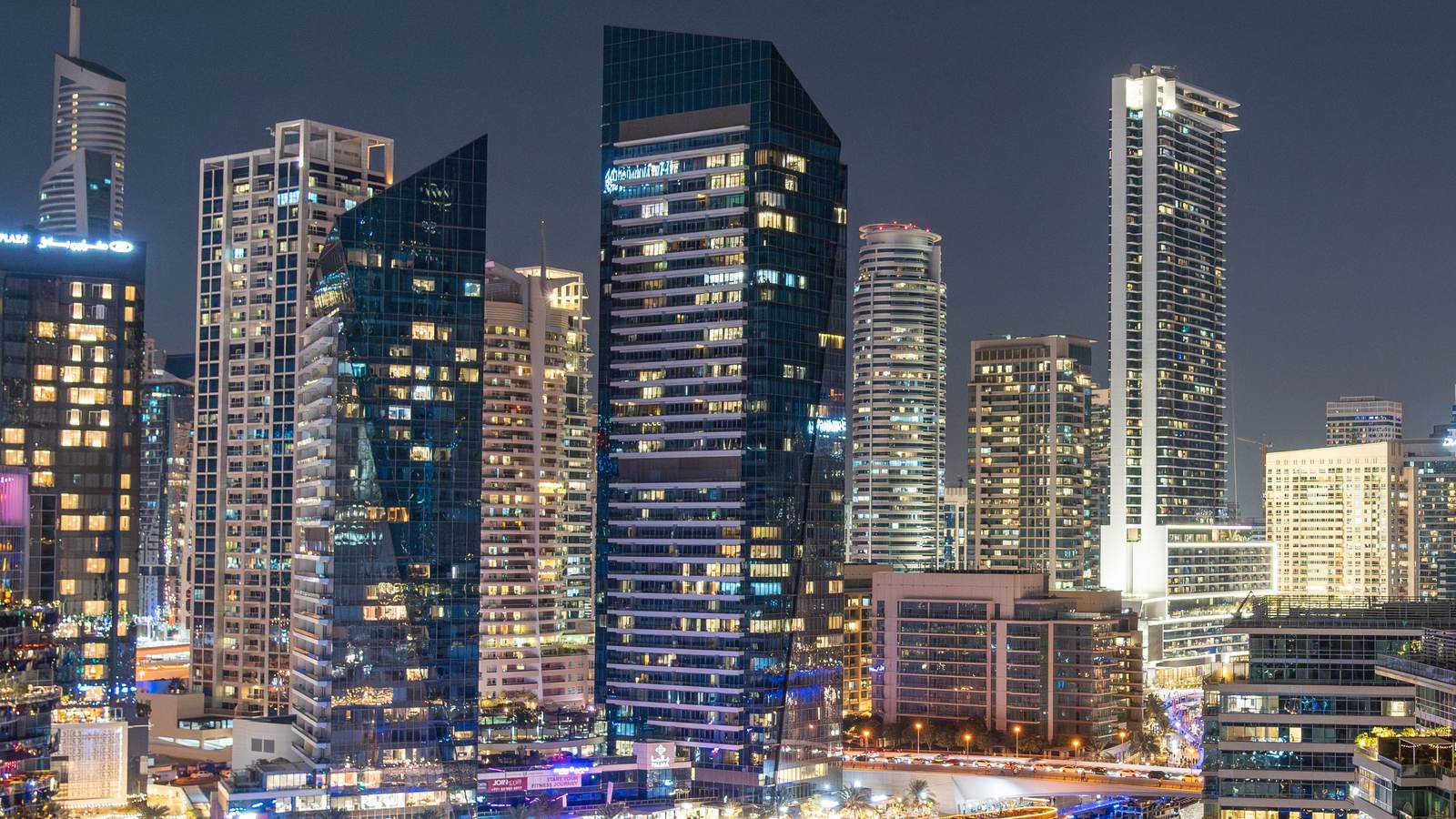
Dubai is one of the most internationally traded residential markets in the world. Understanding who buys, and why, tells you a great deal about the market's behaviour and its risks.
Who buys
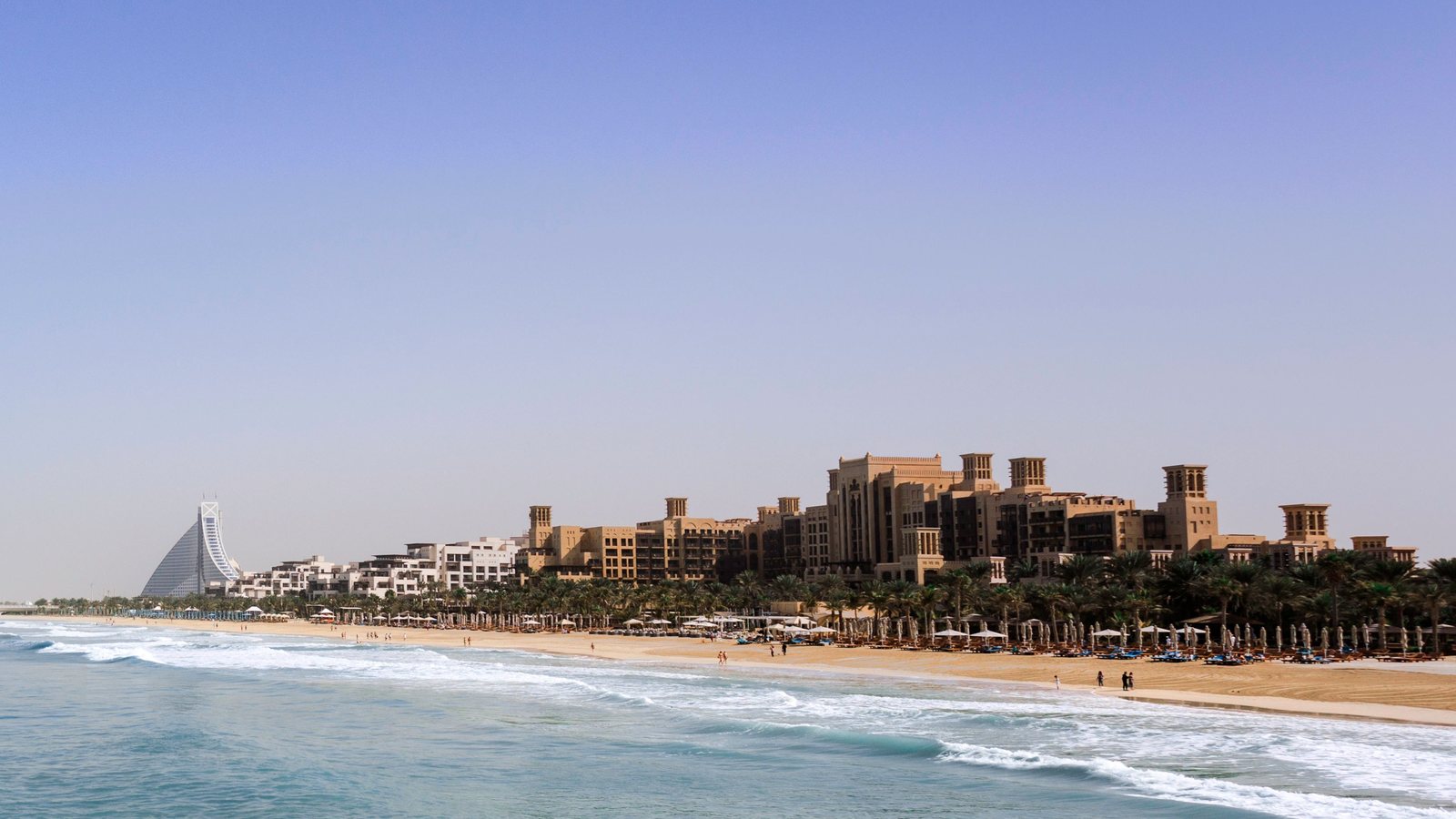
Dubai's foreign buyer base is unusually broad. The largest source markets have consistently included India, the United Kingdom, Russia and CIS countries, China, Pakistan, Egypt and the wider Middle East, with growing participation from Western Europe, sub-Saharan Africa, Turkey and Central Asia.
Four broad motivations, with different behaviours:
1. Yield seekers. Buying for income. Dubai's roughly 6.5–7% gross residential yields, against 3–4% in most developed markets, in a jurisdiction with no income tax or capital gains tax. Predominantly apartments in mid-market communities.
2. Residency and optionality buyers. The AED 2m Golden Visa route — a 10-year renewable residency with no minimum stay requirement, family sponsorship and banking access. Concentrated around the AED 2m threshold.
3. Capital preservation and mobility. Internationally mobile wealth seeking assets in a stable, low-tax, well-connected jurisdiction. Predominantly prime — Palm Jumeirah, Emirates Hills, Jumeirah, Downtown, branded residences.
4. Lifestyle and second-home buyers. Using the property, at least part of the year. Beachfront, prime and branded.
Why the capital flows
Tax. No personal income tax, no capital gains tax, no annual property tax. Genuinely unusual, and a first-order driver.
Ownership rights. Full freehold for any nationality in designated areas, with title registered at DLD. No local partner requirement, no residency requirement.
No exchange controls. Rental income and sale proceeds move freely. This is not universal in emerging markets and it materially reduces perceived risk.
Residency. The Golden Visa converts an investment into a mobility option.
Yields. Materially above developed-market alternatives.
Connectivity. Dubai's aviation hub position places most of the world's population within a single flight.
Safe-haven demand. Regional and global instability has repeatedly driven capital toward Dubai. Uncomfortable to state plainly, and essential to model.
Data transparency. DLD publishes transaction data; DXB Interact makes it free and searchable. Very few emerging markets offer this, and it lowers the perceived information risk for cross-border buyers substantially.
What this means for the market's behaviour
Correlation with global conditions rather than local ones. Dubai property responds to global liquidity, US rates (via the dirham peg), and geopolitical events in source markets — often more than to local employment or GDP.
Currency effects. Because the dirham is pegged to the dollar, a strengthening dollar makes Dubai more expensive for buyers in weakening currencies, and vice versa. Source-market composition shifts accordingly.
Reversibility. Capital that arrives for tax, geopolitical or lifestyle reasons can redirect for the same reasons. This is the market's principal structural vulnerability — a diversified international buyer base is more resilient than a concentrated one, but internationally mobile capital is by definition mobile.
Segment concentration. Foreign demand concentrates in specific segments — prime, branded, the AED 2m visa band, and high-yield mid-market apartments. Those segments behave differently from the domestic end-user market.
How cross-border purchase actually works
Covered in full in Article 29. In summary:
You do not need to visit. Purchase can be completed via a notarised and attested power of attorney, or through DLD digital services where available.
The POA chain takes two to four weeks: notarisation at home, foreign ministry attestation, UAE embassy attestation, legal translation and UAE MoFA attestation. Cost AED 2,000–5,000. Start it early — it is the most common cause of delay.
Non-resident mortgages exist at typically 50–75% LTV, from a subset of UAE banks, often restricted to approved developments.
Banking: non-resident UAE accounts are available with enhanced due diligence, taking two to six weeks. Alternatively transact through a conveyancer's client account and receive rent via a property manager.
Dubai median price per square foot
Dubai only — this site's dataset does not cover Abu Dhabi or the other emirates.
Currency: use a specialist FX provider. On AED 2m, the difference against a retail bank rate is commonly AED 10,000–30,000.
Management is unavoidable if you live abroad. 5–8% of gross rent. Select on void record and reporting quality, not price.
The risks specific to international buyers
No physical inspection. Compensate with a paid independent inspection (AED 1,000–2,500), live video walkthroughs rather than pre-recorded agent videos, DXB Interact verification, and satellite imagery to check surrounding construction.
Reliance on remote advisers. Engage an independent conveyancer — not the agent's recommendation.
Home-country tax. You almost certainly remain taxable at home on rental income and gains. Take advice before purchase, when structuring is cheap.
Currency exposure. A dirham asset is a dollar asset. Over a decade, FX movements can exceed several years of net rental income.
Succession. For non-Muslim expatriates, UAE Sharia principles could apply to UAE assets on death. Register a DIFC will — a few thousand dirhams, and the highest-value administrative step available.
Unsolicited approaches. The overwhelming majority of cross-border Dubai property complaints begin with an unsolicited WhatsApp message, Instagram DM or cold call. Compliant agents are abundant and easy to find. You never need to work with someone who found you.
The verification checklist for a remote buyer
- 1Agent's RERA broker card — verify via Dubai REST.
- 2Trakheesi permit on the listing.
- 3Title deed verification — via Dubai REST.
- 4Transaction comparables — DXB Interact for the specific building.
- 5RERA service charge for the specific building.
- 6Independent conveyancer engaged — not the agent's referral.
- 7Independent inspection commissioned.
- 8Escrow verification with DLD or the escrow bank, if off-plan.
- 9Home-country tax advice taken before purchase.
- 10DIFC will registered after purchase.
All of it can be done remotely. Most of it is free.
The honest assessment
Dubai is genuinely well set up for international buyers: freehold ownership, no exchange controls, transparent data, a residency route, a digital land registry, and a regulatory framework built specifically in response to the failures of 2008.
The risks are not primarily regulatory. They are informational — buying without inspection, without independent advice, and without verification, from someone who contacted you first.
Every one of those risks is eliminated by an afternoon of work and roughly AED 15,000 in professional fees on a AED 2m purchase.
Common questions
Can foreigners buy property in Dubai without living there?
Yes. Freehold ownership in designated areas is available to any nationality, with no residency requirement.
Who buys Dubai property from abroad?
A broad base including India, the UK, Russia and CIS, China, Pakistan, Egypt, the wider Middle East, Western Europe and increasingly Africa and Central Asia.
Can I buy remotely?
Yes, via a notarised and attested power of attorney or DLD digital services where available.
Do I pay tax on Dubai property income?
Not in the UAE for individuals. Almost certainly in your country of tax residence.
What's the biggest risk for international buyers?
Buying without inspection, independent advice or verification — typically after an unsolicited approach.
Before you rely on this
Informational only. Not legal, tax or investment advice.
More in UAE & Beyond
Abu Dhabi property grew 27.8% annually in April 2026 against Dubai's 6.1%. The investment zones, ownership rules, yields, developers and how it differs from Dubai.
ReadThe northern emirates property markets — Sharjah's usufruct model, Ajman's affordability, RAK's Wynn-driven repricing, yields, and the data problem.
ReadHow Dubai property compares with London, Miami and Singapore on yield, transaction costs, taxes, ownership rights, liquidity and residency — with the real numbers.
Read