
Dubai Real Estate Seasonality: Best Times to Buy, Sell & Rent
Dubai property has a real seasonal rhythm — summer lulls, Q4 peaks, Ramadan effects and Q1 records. How to time a purchase, sale or lease around it.

Dubai's property market has a seasonal pattern as pronounced as any resort market's, and almost nobody plans around it. Understanding the rhythm will not make a bad purchase good, but it can move your entry price by several percent and materially change your negotiating position.
The annual shape
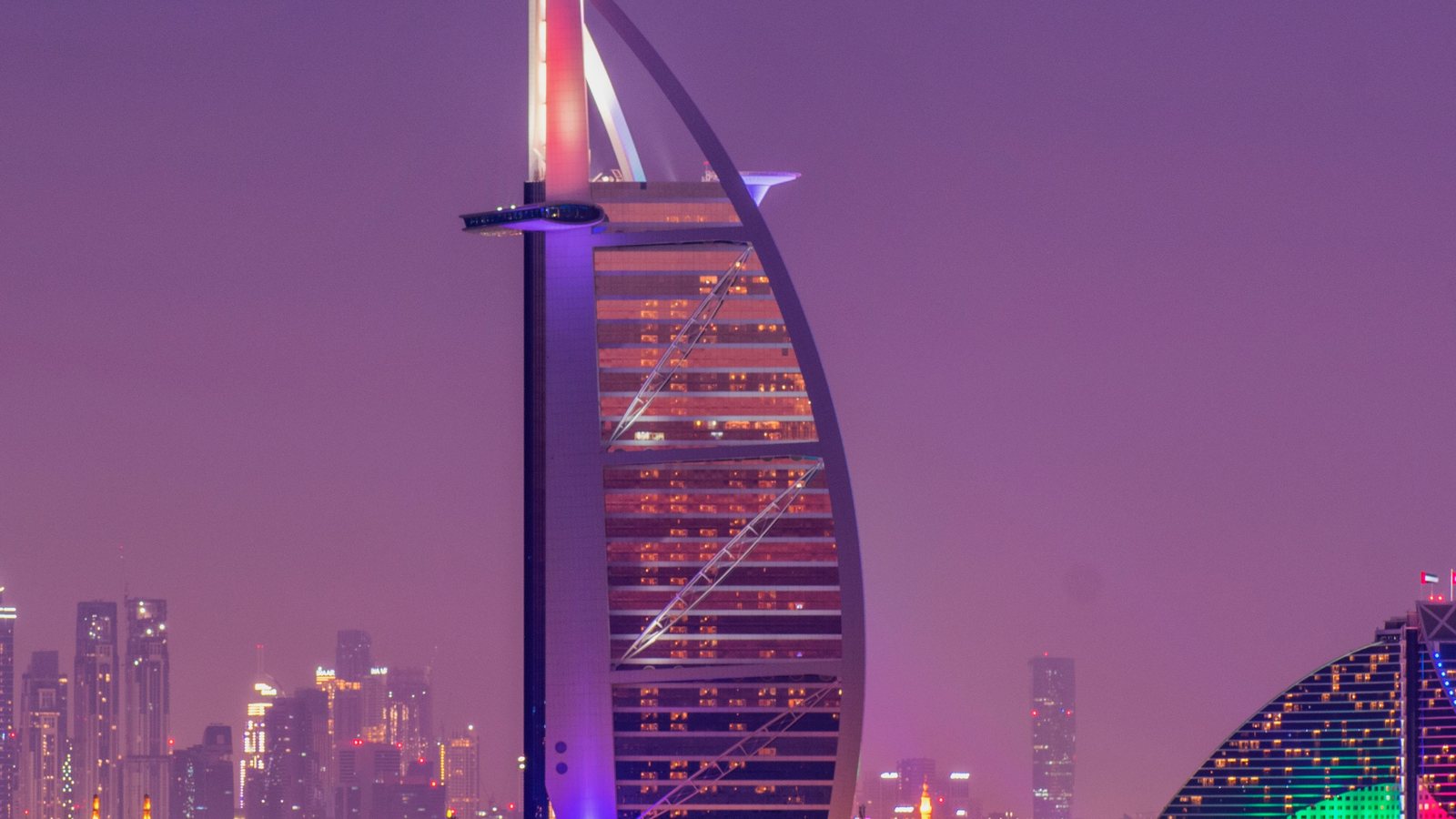
January–March: the strongest quarter. Q1 is consistently Dubai's highest-activity period. January 2026 alone recorded roughly AED 72.4bn in transaction value — a monthly record. New-year decision-making, the tail of Q4 deal pipelines closing, the pleasant weather, and the concentration of major developer launches all land here. Q1 2026 delivered roughly 48,000 transactions worth AED 176.7bn.
April–May: still active, momentum fading. Ramadan (which shifts roughly 11 days earlier each year, falling in the first half of the calendar year through the late 2020s) slows transactional activity noticeably. Government processing continues but at reduced hours, developer sales offices run shorter days, and viewings drop. Eid produces a short, sharp burst of activity immediately after.
June–August: the trough. Temperatures routinely exceed 45°C. A very large share of the expatriate population leaves for the summer. Viewings collapse. Listings sit. Family relocations pause because schools are out. This is the quietest period of the year by a wide margin.
September–November: recovery and peak leasing. Schools return, families relocate, corporate transfers land, and the leasing market has its busiest window. Sales activity rebuilds through the quarter.
December: the sprint. Year-end targets drive developer and brokerage behaviour. Incentives improve. Buyers looking to complete before year-end for tax or reporting reasons transact. Activity is strong through mid-December, then stops almost entirely for the last two weeks.
How to use it as a buyer
Buy in summer. June through August is the buyer's window in the ready market. Sellers who have listed and watched the property sit for eight weeks in 45°C are materially more negotiable than the same seller in February. Competing buyers are on holiday. Agents have thin pipelines and will work harder for you.
The practical effect is not enormous — perhaps 2–5% on achieved price versus peak season — but on an AED 2m purchase that is AED 40,000–100,000 for doing nothing except tolerating the heat during viewings.
Avoid January and February if you can. Highest competition, most confident sellers, developer launch hype at maximum.
Watch for December developer incentives. Year-end targets produce genuine concessions on off-plan: DLD fee waivers, extended payment plans, service-charge holidays, furniture packages. Verify the headline price has not been raised to fund the "incentive" — compare against DXB Interact records for the same project.
How to use it as a seller
The reverse. List in September or January, when buyer volume is highest and competing inventory is thinnest relative to demand. Avoid launching a listing in late May — it will sit through the summer, accumulate days-on-market, and you will be negotiating from a stale listing in September.
If you must sell in summer, price it correctly on day one. A summer listing that is priced ambitiously will not simply wait; it will build a visible price-reduction history that weakens you in autumn.
The leasing calendar
Different rhythm, and more consequential for landlords than the sales calendar.
Peak leasing runs August through October, driven by the school year. A family relocating for a September school start signs in July or August. This is when the deepest tenant pool exists and when you achieve the strongest rent.
Dubai median price per square foot
Computed from every recorded DLD sale, 1 Jan 2026 to 31 Jul 2026.
Structure your leases to expire in this window. A tenancy ending in June leaves you re-letting into the trough — fewer applicants, longer voids, weaker rents. A tenancy ending in August re-lets into peak demand.
This single decision — aligning lease expiry with the August–October window — is worth more to a Dubai landlord than most yield-optimisation tactics, because a four-week void costs roughly 7.7% of annual rent.
Practical mechanism: when signing a new tenant mid-cycle, offer a first term of 14 or 16 months rather than 12 to shift the expiry into the peak window. Most tenants accept; the cost to you is nil.
Ramadan specifically
Business does not stop, but it slows. Working hours are reduced across government and private sectors. Viewings are typically scheduled in the evening. Site visits to off-plan projects are less practical. Decision-making timelines extend.
For buyers, this is an opportunity: less competition, and developers with quarterly targets still needing to hit them. For anyone with a hard completion deadline, build in extra time for DLD, bank and NOC processing.
What seasonality does *not* do
It does not change the cycle. A great asset bought in February is still a great asset; a bad one bought in July is still bad. Seasonality is a 2–5% effect on execution, not a 30% effect on outcomes.
It is also weaker in the off-plan market than the ready market, because off-plan pricing is set by the developer on a launch schedule rather than by seller motivation. Developer launches actually cluster in Q1 and Q4 — the opposite of the ready-market buyer's window.
A practical calendar
| Month | Buyer | Seller | Landlord |
|---|---|---|---|
| Jan–Feb | Poor | Excellent | Neutral |
| Mar | Fair | Good | Neutral |
| Apr–May | Good | Fair | Weak |
| Jun–Aug | Best | Poor | Worst to re-let |
| Sep–Oct | Fair | Best | Best to re-let |
| Nov | Good | Good | Good |
| Dec | Best for off-plan incentives | Fair | Weak |
Common questions
When is the best time to buy property in Dubai?
June to August in the ready market, when competition is lowest and sellers most negotiable. December for off-plan developer incentives.
When should I list a property for sale?
September or January, when buyer activity is strongest.
When does the Dubai rental market peak?
August to October, driven by the school year.
Does Ramadan affect property transactions?
Yes — reduced hours and slower processing, though activity continues and buyer competition is lower.
Is Q1 really the busiest quarter?
Yes. Q1 2026 recorded roughly 48,000 transactions worth AED 176.7bn, with January alone at about AED 72.4bn.
Before you rely on this
Informational only. Seasonal patterns are tendencies, not guarantees.
More in Market Overview
An independent, data-led guide to real estate in Dubai UAE — 2026 prices, yields, ownership rules, the full cost of buying, and how the market actually works.
ReadUAE real estate in 2026 — how Dubai, Abu Dhabi, Sharjah and the northern emirates differ on price, yield, ownership law and growth. A federal-level view.
ReadHow the Dubai real estate market works — the four cycles since 2002, what drives prices, and an evidence-based read on where the market stood in 2026.
Read