
Emaar vs Nakheel vs Meraas: Dubai Master Developers Compared
How Dubai's master developers compare — Emaar, Nakheel, Meraas and Dubai Properties — on portfolio, delivery record, resale liquidity, service charges and pricing.
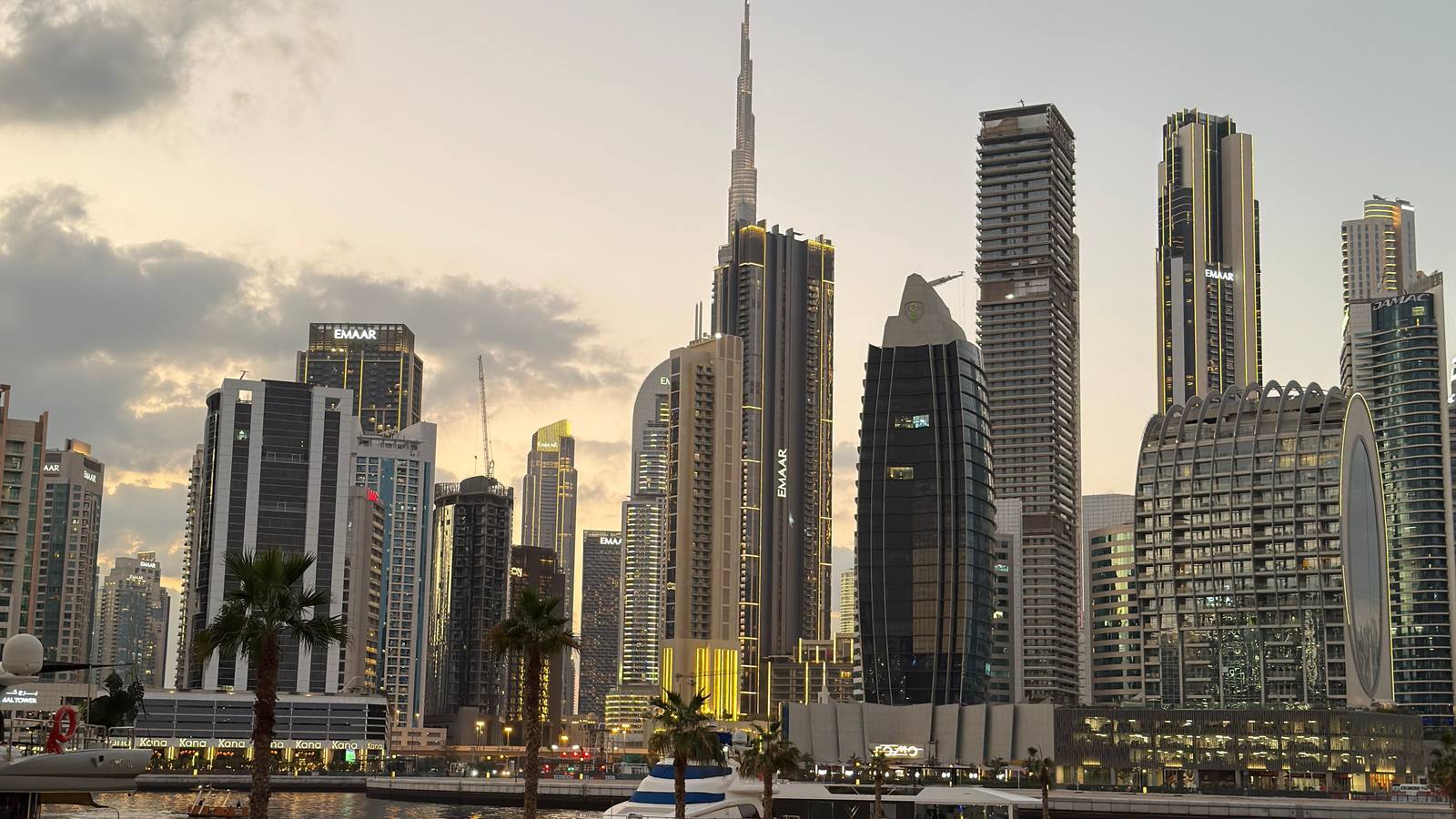
Dubai's four master developers built most of what people picture when they picture Dubai. They differ substantially in portfolio, positioning and — most importantly for a buyer — resale liquidity.
Emaar Properties
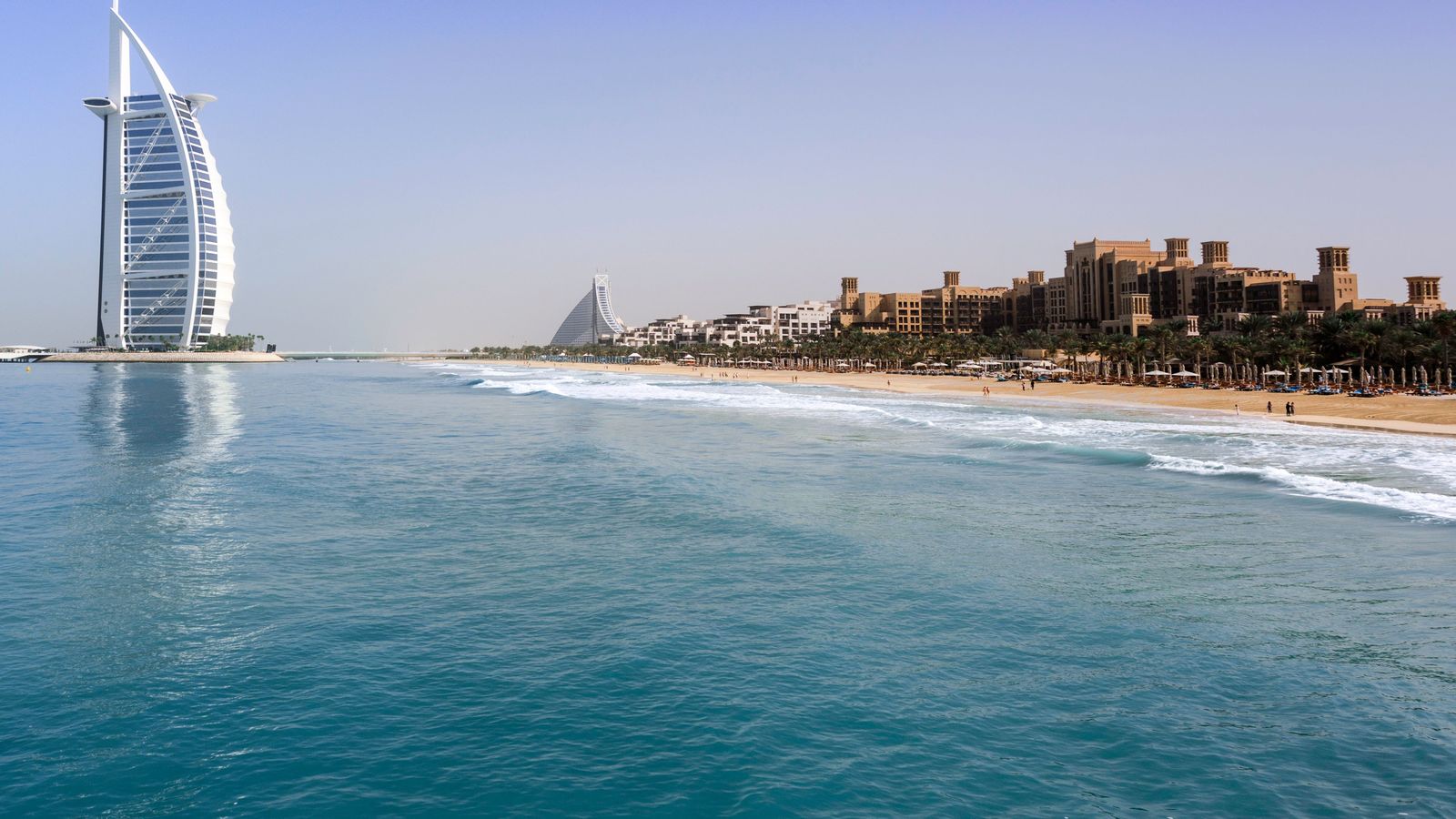
Portfolio: Downtown Dubai (Burj Khalifa, Dubai Mall, Dubai Fountain), Dubai Marina, Emirates Living (Springs, Meadows, Lakes, Emirates Hills), Arabian Ranches, Dubai Hills Estate, Dubai Creek Harbour, Emaar Beachfront, The Valley, Emaar South.
Status: publicly listed on DFM. Financials are available and auditable — a genuine advantage over private developers.
Positioning: premium mainstream to prime. Not the cheapest, not ultra-luxury.
Strengths:
- The strongest resale liquidity in Dubai. Emaar stock trades readily, which is your exit.
- Consistent delivery record over more than two decades.
- Complete master communities with retail, schools, parks and community management delivered.
- The strongest international brand recognition of any Dubai developer.
- Listed status means financial transparency.
Considerations:
- Brand premium in pricing.
- Very large pipeline, including a substantial Dubai Creek Harbour programme — supply within Emaar communities is not scarce.
- Service charges in prime Emaar buildings run high.
Best for: buyers prioritising liquidity and delivery certainty over maximum yield.
Nakheel
Portfolio: Palm Jumeirah, Dubai Islands (formerly Deira Islands), Jumeirah Village Circle and Triangle, Discovery Gardens, International City, The Gardens, Jumeirah Islands, Jumeirah Park, Nad Al Sheba.
Status: government-owned.
Positioning: the widest spread in Dubai. Palm Jumeirah sits at the top of the market; International City sits at the bottom. Both are Nakheel.
Strengths:
- Palm Jumeirah is a globally unique asset with genuine supply constraint — apartment pricing near AED 3,512/sq ft in 2026, the highest in the emirate.
- Government ownership provides delivery certainty.
- JVC has become one of Dubai's highest-yielding communities (7–9% gross).
- Dubai Islands represents a substantial new waterfront supply programme.
Considerations:
- Enormous quality variation across the portfolio. "Nakheel" tells you very little on its own; the specific community tells you everything.
- JVC and International City carry the heaviest competing supply in Dubai.
- Some older Nakheel stock has ageing infrastructure and rising service charges.
Best for: Palm Jumeirah at the top; JVC for yield at the bottom. Assess the community, not the developer name.
Meraas (Dubai Holding)
Portfolio: City Walk, Bluewaters Island, La Mer, Port de La Mer, Jumeirah Bay Island, Nikki Beach Residences, Design District (d3), Nakheel-adjacent lifestyle destinations.
Status: part of Dubai Holding, government-owned.
Positioning: lifestyle and destination-led. Design quality is a genuine differentiator.
Strengths:
- Distinctive, well-designed developments with strong owner-occupier appeal.
- Genuine supply constraint — Bluewaters and Jumeirah Bay are physically limited.
- Integrated retail and hospitality creating real destination value.
- Strong short-let performance in the beachfront assets.
Considerations:
- High service charges. Amenity-and-retail-rich destinations cost a great deal to run. Verify per-building figures.
- Premium pricing with correspondingly compressed yields.
- Smaller overall portfolio means thinner comparable transaction data.
Best for: owner-occupiers and lifestyle buyers; short-let investors in the beachfront assets. Less suited to pure yield strategies.
Dubai Properties (Dubai Holding)
Portfolio: Business Bay, JBR, Mudon, Villanova, Remraam, Serena, Culture Village.
Dubai median price per square foot
Computed from every recorded DLD sale, 1 Jan 2026 to 31 Jul 2026.
Status: part of Dubai Holding, government-owned.
Positioning: mainstream, spanning central high-density to suburban family communities.
Strengths:
- Business Bay offers central location with strong yields (6.5–8%) and high liquidity.
- JBR is an established beachfront asset with limited new supply.
- The family communities (Mudon, Villanova, Serena) offer low service charges, long tenancies and low voids.
Considerations:
- Business Bay carries persistent heavy supply, capping pricing power.
- Suburban communities involve long commutes.
Best for: yield-focused apartment investors (Business Bay) and family end-users (Mudon, Villanova).
The comparison
| Emaar | Nakheel | Meraas | Dubai Properties | |
|---|---|---|---|---|
| Ownership | Listed | Government | Government | Government |
| Delivery certainty | Very high | Very high | Very high | Very high |
| Resale liquidity | Highest | Varies by community | Moderate | High |
| Price positioning | Premium mainstream | Full spectrum | Premium lifestyle | Mainstream |
| Service charges | Moderate–high | Low–high | High | Moderate |
| Yield potential | Moderate | High in JVC | Low | High in Business Bay |
| Supply constraint | Low (large pipeline) | High on Palm, low in JVC | High | Low |
| Best for | Liquidity, certainty | Palm prime / JVC yield | Lifestyle, owner-occupiers | Yield, families |
The point that matters most
Resale liquidity is the developer characteristic with the largest effect on your outcome, and it is the one nobody markets.
When you sell, the buyer pool for an Emaar Downtown apartment is enormous — international buyers recognise the name, banks lend on it readily, and comparable transaction data is abundant. The buyer pool for an identical-quality unit from an unfamiliar developer in the same location is smaller, and a smaller pool means a lower price and a longer sale.
That liquidity premium is real, it is persistent, and it is why tier-one developer stock justifies at least part of its price premium.
How to choose
Do not choose a developer. Choose a community, then check the developer's record in it.
Pull DXB Interact data for a building that developer completed in that community three to four years ago. Compare current transaction prices to original launch pricing. Check the RERA service charge for that building.
Those two checks, for any developer and any community, take fifteen minutes and are worth more than every comparison table on the internet, including this one.
Common questions
Which is the best developer in Dubai?
None universally. Emaar leads on resale liquidity, Nakheel spans the widest range, Meraas leads on design and lifestyle, Dubai Properties offers strong yield options.
Is Emaar worth the premium?
For resale liquidity and delivery certainty, generally yes. For maximum yield, other options perform better.
Are Meraas properties good investments?
Strong for owner-occupiers and short-lets in beachfront assets; high service charges compress long-let yields.
Which developer has the best yields?
Nakheel's JVC (7–9% gross) and Dubai Properties' Business Bay (6.5–8%) lead among master-developer stock.
How do I compare developers objectively?
Check resale prices in their delivered buildings on DXB Interact against original launch prices, and check service charges via the RERA index.
Before you rely on this
Informational only. Not endorsements. Verify all project details with the developer and DLD.
More in Developers
The developer behind Burj Khalifa and Downtown — and why its launch pricing anchors whole districts for years.
ReadBranded residences, an early move into crypto payments, and what to check before buying off-plan from them.
ReadThe developer that manufactures beachfront. Palm Jumeirah, Palm Jebel Ali, and what waterfront scarcity does to price.
Read