
Master Community vs Sub-Developer in Dubai: Responsibilities
How Dubai master communities work — master developer, sub-developer, owners' association and master community charges — and who is responsible for what you pay for.
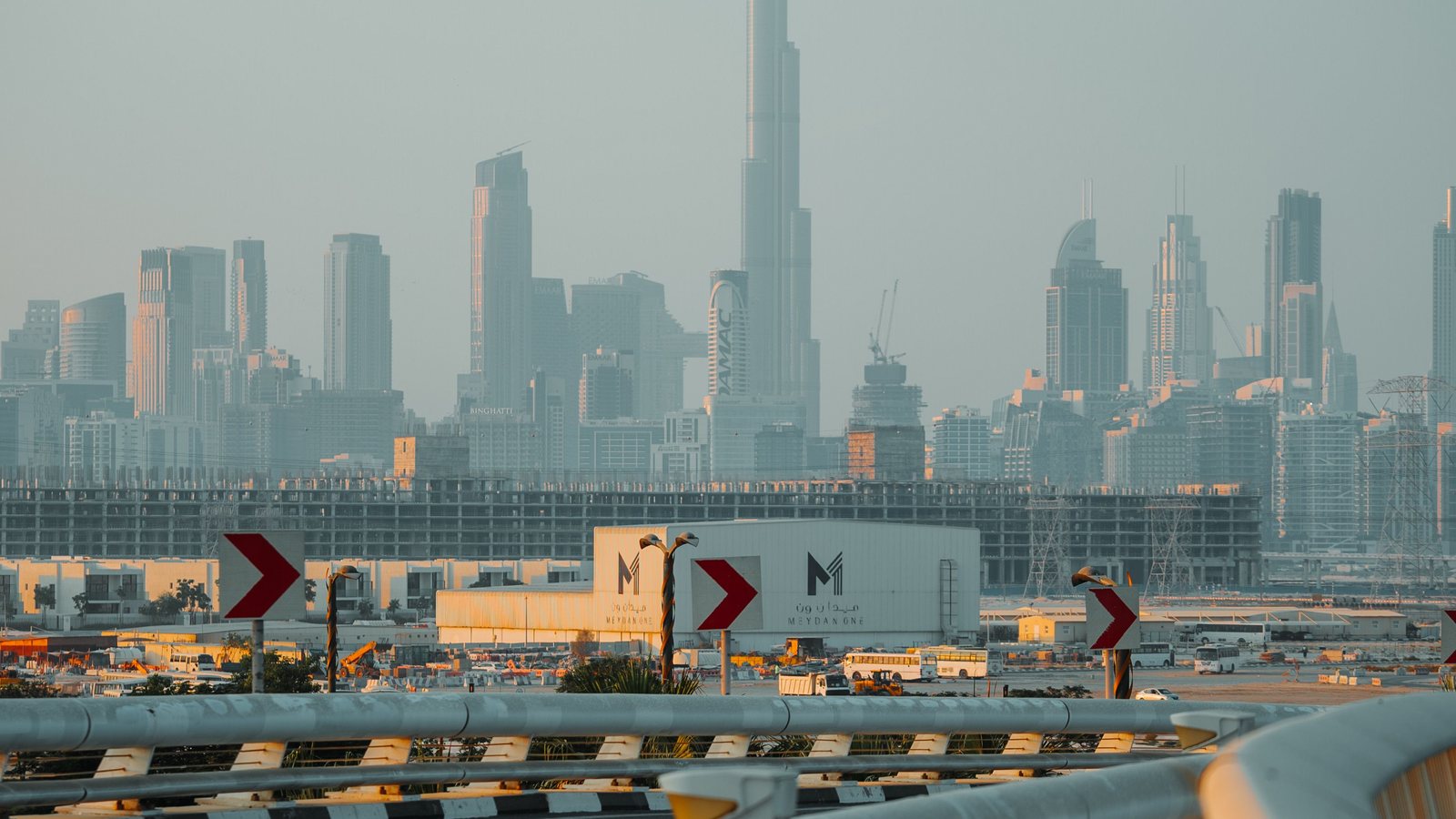
Most Dubai property sits inside a master community, and the layered structure of responsibility explains a great deal about your service charge bill, your maintenance experience and who you complain to when something breaks.
The layers
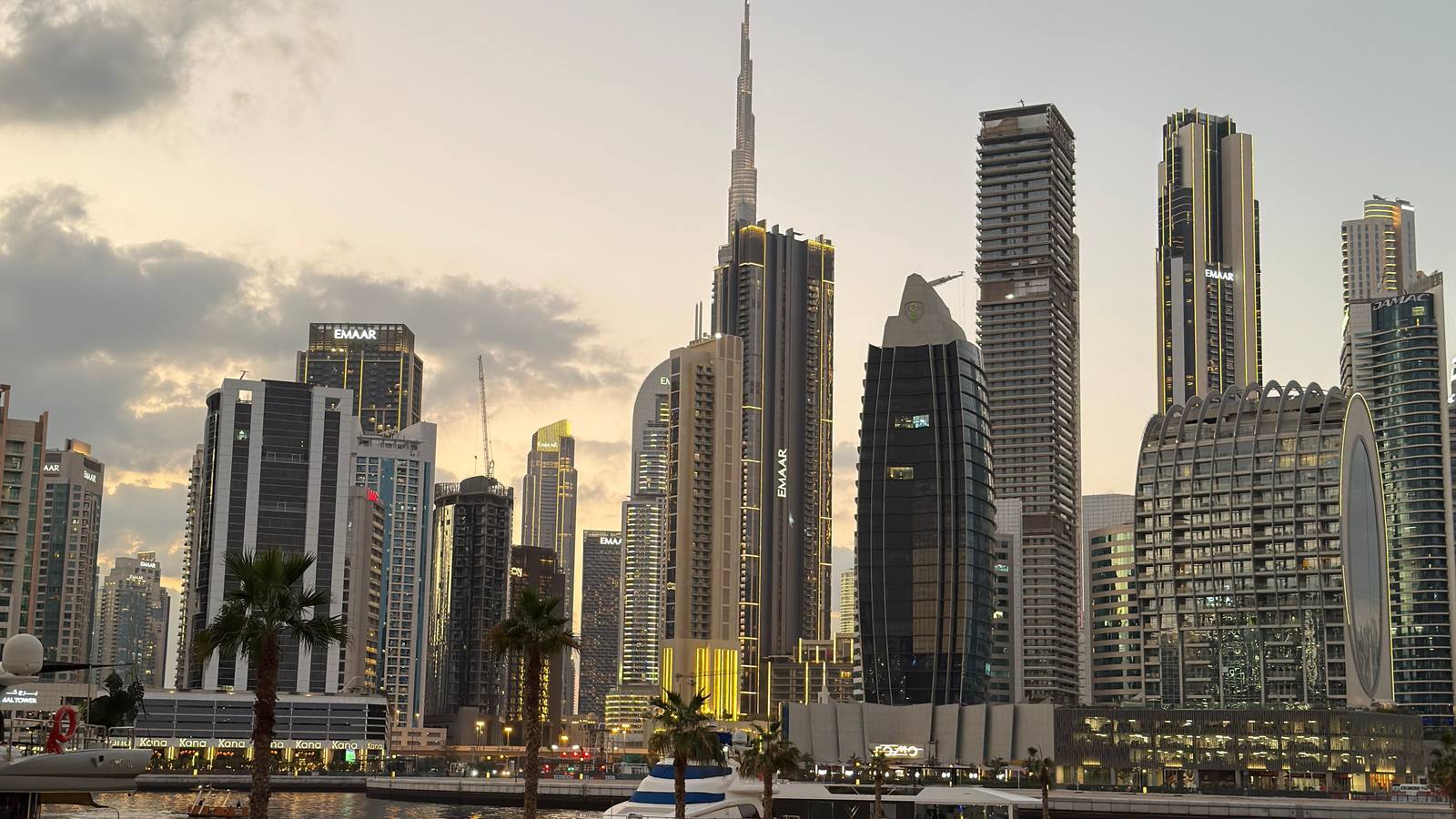
1. The master developer. Owns and plans the overall community — roads, utilities infrastructure, landscaping of common areas, community retail, parks, security at community level. Examples: Emaar in Dubai Hills Estate, Nakheel in JVC, Dubai Properties in Business Bay, Damac in Damac Hills.
2. The sub-developer (or plot developer). Buys a plot within the master community and builds a specific tower or cluster on it. In JVC, dozens of different developers have built individual buildings within Nakheel's masterplan. In Dubai Hills, Emaar develops most but not all of it.
3. The owners' association (jointly owned property). Once a building is completed and units sold, the owners collectively form an association responsible for the building's shared areas — lobby, lifts, corridors, pool, gym, building-level security and maintenance. Managed by a RERA-registered OA manager.
4. The individual owner. Responsible for the interior of the unit.
What each layer charges you
Your service charge bill typically has two components:
Master community charge. Levied by the master developer for community-level infrastructure, landscaping, roads and security. Usually the smaller component — often AED 2–6/sq ft.
Building service charge. Levied by the owners' association for building-level operations. The larger component — AED 8–65/sq ft depending on the building.
For villas, there is typically only a master community charge (AED 3–8/sq ft), because you maintain your own building — which is why villa service charges look low and villa maintenance costs are not.
Why this structure matters
1. Two entities can fail independently.
An excellent master community can contain a badly run building. Dubai Hills Estate is a well-managed Emaar masterplan, but individual buildings within it vary in OA quality, reserve fund adequacy and service charge levels.
This is why community-level research is insufficient. You must check the specific building.
2. Responsibility gaps.
Common disputes: whose responsibility is a leak between the building and community infrastructure? Who maintains the road immediately outside the tower? Who fixes the lighting in the shared podium?
Well-structured communities define these boundaries clearly. Poorly structured ones produce months of finger-pointing.
3. The sub-developer disappears.
Once a sub-developer has sold every unit and handed over, its ongoing interest ends. The building's fate then rests with the owners' association.
The master developer, by contrast, often retains commercial and retail assets in the community and therefore retains an interest in its quality. This is a genuine argument for buying within well-run master communities from developers who stay invested.
The owners' association
Governed by Law No. 6 of 2019 concerning jointly owned property.
How it works:
- Every unit owner is automatically a member.
- Voting rights are proportionate to unit size.
- A general assembly meets at least annually to approve budgets and elect a board.
- A RERA-registered OA manager runs day-to-day operations.
- Budgets require RERA approval, and the approved figures are published in the RERA service charge index.
Dubai median price per square foot
Computed from every recorded DLD sale, 1 Jan 2026 to 31 Jul 2026.
What it controls, and what you should care about:
- The annual service charge budget — your recurring cost
- The reserve fund — protection against special levies
- Maintenance standards — which affect your property's value and lettability
- Building rules — including, in some buildings, restrictions on short-term letting
- Arrears enforcement — because unpaid charges by other owners fall on those who pay
Almost no Dubai owners attend general assemblies. That is why service charges rise, reserve funds run thin, and OA managers face no scrutiny.
Attending one meeting a year is the cheapest way available to protect your yield. It costs two hours and it is the only mechanism you have for influencing a cost that runs for as long as you own the property.
What to check before buying
On the master community:
- Who is the master developer and are they still invested?
- What proportion of the masterplan is complete?
- What remains to be built, and over what timeline? (Construction next door depresses rent.)
- Is the promised infrastructure — schools, retail, parks, metro access — actually delivered or still promised?
- What is the master community charge per square foot?
On the specific building:
- Who was the sub-developer, and what is their record? (Article 61.)
- What is the RERA-approved service charge for this building?
- Three-year service charge history — the trajectory matters more than the current number.
- Reserve fund balance — is it adequate for the building's age?
- Arrears rate — how many owners are not paying?
- Who is the OA manager, and are they RERA-registered?
- Planned major works — chiller, façade, lifts, waterproofing?
- Any litigation?
Buildings aged eight to fifteen years are the highest-risk window for special levies: old enough for original systems to reach end of life, and often with reserve funds under-collected in the early years when the developer controlled the association.
The practical implication
Two apartments of identical size and specification, 200 metres apart in the same master community, can differ by AED 20,000 a year in service charges and by a AED 40,000 special levy in year ten.
Neither difference appears in the listing. Both are checkable in twenty minutes via the RERA index and a request for the OA accounts.
That asymmetry — large, persistent, invisible in marketing, and freely checkable — is the single best argument for doing your own building-level research in Dubai.
Common questions
What is a master community in Dubai?
A large planned development where one master developer controls infrastructure, landscaping and community amenities, with individual buildings often built by different sub-developers.
What is a master community charge?
A community-level fee for shared infrastructure, roads, landscaping and security, typically AED 2–6/sq ft, separate from your building service charge.
Who is responsible for building maintenance?
The owners' association, managed by a RERA-registered OA manager, funded by owners' service charges.
Can I influence my service charge?
Yes — attend the general assembly, review the budget, vote, and scrutinise the OA manager. Very few owners do.
What's the highest-risk building age for special levies?
Eight to fifteen years, when original systems reach end of life and early reserve fund contributions often prove inadequate.
Before you rely on this
Informational only, not legal advice.
More in Developers
The developer behind Burj Khalifa and Downtown — and why its launch pricing anchors whole districts for years.
ReadBranded residences, an early move into crypto payments, and what to check before buying off-plan from them.
ReadThe developer that manufactures beachfront. Palm Jumeirah, Palm Jebel Ali, and what waterfront scarcity does to price.
Read