
Five Things to Watch in Dubai Property Through the Rest of 2026
From the still-unnamed Emaar masterplan to whether the August softening extends into Q4, here is what actually moves the numbers on this site next.
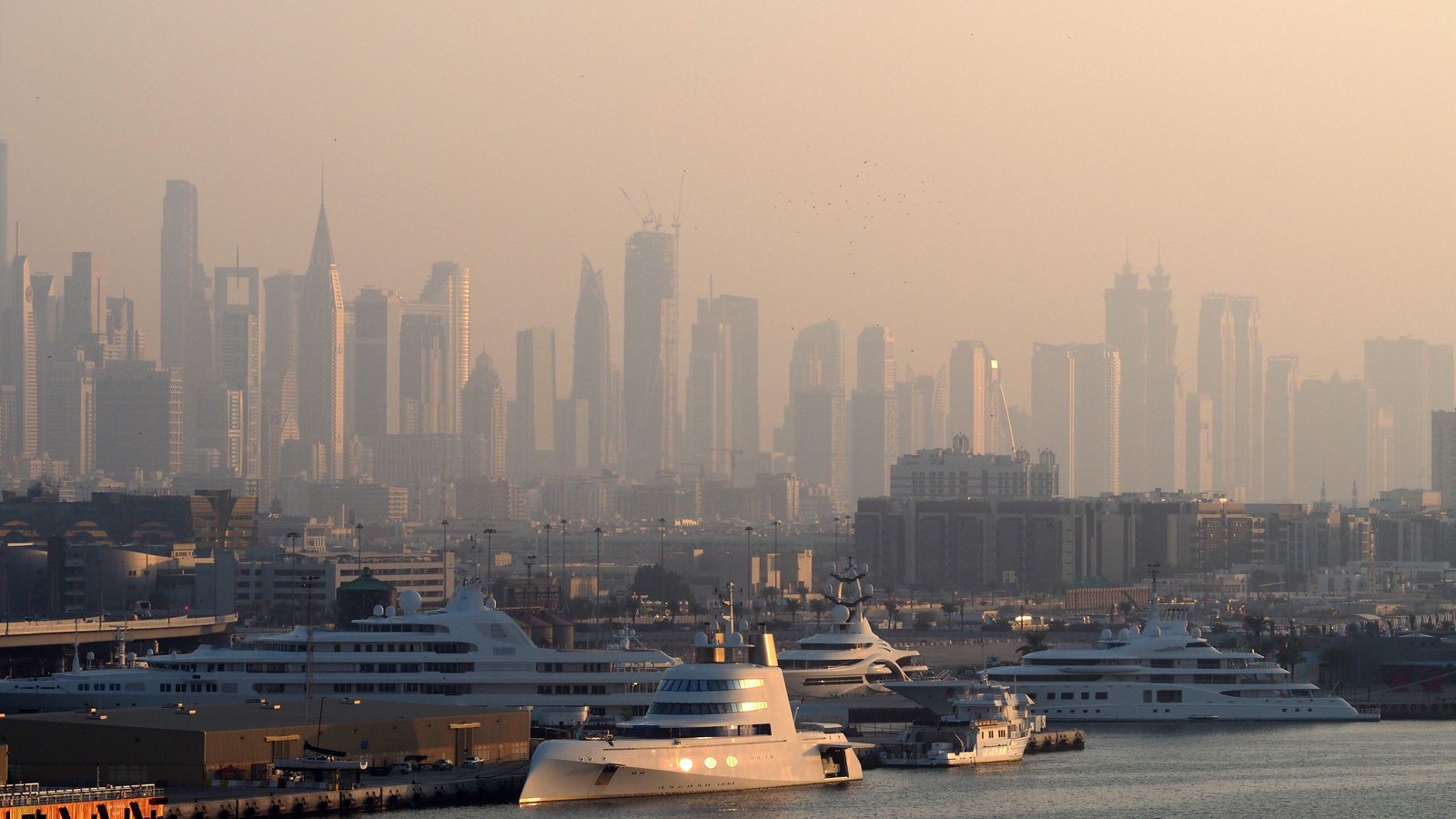
From the still-unnamed Emaar masterplan to whether the August softening extends into Q4, here is what actually moves the numbers on this site next.
- 1The Emaar masterplan reveal — name, location, pricing and phasing are still undisclosed, and this is the single biggest unknown in the current pipeline.
- 2Handover pace against the roughly 83,000-unit forecast for the year, which determines how much of the current off-plan pipeline actually becomes livable supply on schedule.
- 3Dubai Creek Tower — whether the revived tender proceeds this time, after cost-driven delays paused it more than once already.
- 4EIBOR, and whether it holds its current band — financing cost feeds directly into mortgage-backed demand.
- 5Whether Q3/Q4 volume recovers from the August softening or the slowdown extends — one month of negative year-on-year price movement after five years of gains is a data point, not a trend on its own.
The forecast context
ANAROCK projects 4–7% price growth across 2026, naming renewed regional conflict as the main downside risk. Cavendish Maxwell's own reading of the August data leans toward prices softening into a more mature cycle — shaped near-term by fewer launches, regional uncertainty and normalising buyer activity — while still holding that underlying demand fundamentals remain intact. Both views can be true at once: a market can mature and slow from an exceptional pace without that being the same thing as a downturn.
What we will and won't do with this
No forecast appears anywhere else on this site — the figures on our area and market pages are computed from 91,909 recorded DLD sales, not projected forward. This watchlist is context for reading those figures as the rest of 2026 unfolds, not a prediction added to them.
More in Market analysis
Seven months of official transactions, read area by area — which parts of the city carry the premium, which carry the volume, and what the spread between them shows.
ReadMost Dubai sales in the period were off-plan, but the split varies enormously by area — from near-total in new districts to barely half in the established ones.
ReadBetween the most and least expensive areas sits a gap wide enough that a citywide average describes almost nobody.
Read